
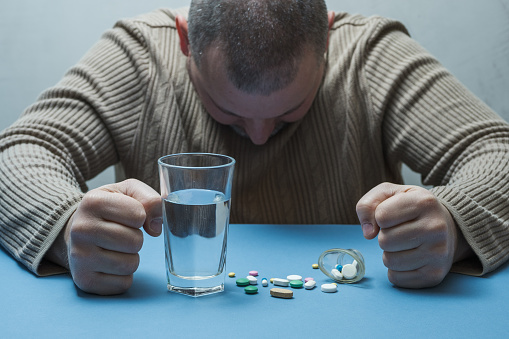
Starting drug recovery can feel overwhelming, especially when you are unsure of what comes next. Many people hesitate to seek help simply because the process feels unfamiliar. At Healing Journey, we believe that clarity brings confidence. When you understand each step of recovery, it becomes easier to take that first brave move toward change. Our approach combines addiction recovery services, mental health treatment, inpatient and outpatient care, and holistic support to guide you through every stage with compassion and structure.
Step 1: Reaching Out and Asking for Help
The first step in recovery is often the hardest, but it is also the most important. Reaching out for help is a powerful decision that signals readiness for change.
When you contact a treatment provider like Healing Journey, you can expect:
- A confidential and supportive conversation
- A discussion about your current challenges and goals
- Guidance on the next appropriate level of care
There is no judgment in this step. Only support, understanding, and direction.
Step 2: Assessment and Personalized Treatment Planning
Once you reach out, the next step is a full clinical assessment. This helps determine the right path for your recovery.
During this stage, professionals evaluate:
- Substance use history and severity
- Mental health conditions such as anxiety, depression, or trauma
- Physical health needs
- Personal responsibilities and support systems
From here, a personalized drug recovery plan is created. This plan is designed to fit your life, your needs, and your long-term goals.
Step 3: Choosing Inpatient or Outpatient Care
Recovery is not the same for everyone, which is why Healing Journey offers flexible treatment options.
Inpatient Care
Inpatient treatment provides a structured and supportive environment where you stay at the facility full-time. This level of care is ideal for individuals who need:
- Medical supervision and stabilization
- A safe environment away from triggers
- Intensive therapy and daily support
It allows full focus on healing without outside distractions.
Outpatient Care
Outpatient treatment allows you to live at home while attending scheduled therapy sessions. This option works well for individuals who:
- Have work or family responsibilities
- Need flexible scheduling
- Are stepping down from inpatient care
It provides accountability while allowing real-world practice of recovery skills.
Step 4: Beginning Therapy and Mental Health Treatment
Therapy is a core part of recovery. Addiction is often connected to deeper emotional pain or unresolved trauma, so addressing mental health is essential.
Treatment may include:
- Individual counseling
- Group therapy for shared support
- Trauma-informed care
- Coping skills development
This stage helps you understand the root causes of addiction and build healthier responses to stress and emotions.
Step 5: Integrating Holistic and Faith-Based Support
Healing is not only clinical. It is also emotional, physical, and sometimes spiritual. That is why holistic care is an important part of the Healing Journey approach.
Clients may engage in:
- Mindfulness and meditation practices
- Physical activity and wellness routines
- Nutrition and sleep support
- Faith-based guidance for those who seek spiritual strength
These tools help restore balance and support long-term emotional stability.
Step 6: Building Recovery Skills for Everyday Life
As treatment continues, focus shifts toward building real-world skills that support long-term sobriety.
These include:
- Managing triggers and cravings
- Developing healthy routines
- Strengthening communication and relationships
- Creating relapse prevention strategies
Recovery is not just about stopping substance use. It is about building a life that supports your well-being.
Step 7: Ongoing Support and Aftercare
Recovery does not end when treatment ends. Continued support is essential for maintaining progress.
Aftercare may include:
- Continued therapy sessions
- Support groups and peer communities
- Check-ins with recovery professionals
- Ongoing mental health care
This stage helps reinforce what you have learned and keeps you connected to support.
Conclusion
Your healing journey is a step-by-step process, and every step matters. From the moment you reach out for help to long-term aftercare, you are supported, guided, and never alone. At Healing Journey, we provide compassionate, individualized care that meets you where you are and helps you move forward with confidence.
If you or someone you love is struggling with addiction, now is the time to take the first step. Reach out today and begin your path toward healing, stability, and lasting recovery.