Why Your Recovery Plan Needs More Than Detox: Long-Term Success Strategies

Detox is often the first word people associate with addiction recovery, and for good reason. It marks the critical starting point of clearing harmful substances from the body. But while detox is essential, it is only the beginning of a lifelong journey. True recovery requires more than just physical cleansing. It demands emotional healing, mental clarity, spiritual grounding, and ongoing support. At Healing Journey, we believe that recovery is not just about stopping substance use—it is about rebuilding a healthy, purposeful life.


The Limitations of Detox Alone

Detox helps the body stabilize after substance use, but it does not address the root causes of addiction. Once the body is free from substances, unresolved emotional pain, mental health challenges, and life stressors can trigger relapse if left untreated.

Without follow-up care and therapy, individuals are often left feeling unprepared to face the real-world pressures that led to addiction in the first place. This is why long-term recovery programs go far beyond detox. They focus on restoring balance in the mind, body, and spirit—helping people rediscover their strength and purpose.


Building a Foundation for Lasting Recovery

Healing Journey offers a comprehensive approach that combines evidence-based treatment with compassionate care. A well-rounded recovery plan should include several core components:

1. Therapy and Counseling

Individual and group therapy help clients explore the emotional and psychological factors that fuel addiction. Techniques such as cognitive behavioral therapy (CBT), trauma-informed counseling, and family therapy guide individuals toward self-awareness and emotional resilience.

2. Mental Health Support

Addiction and mental health are closely linked. Treating anxiety, depression, or trauma alongside substance use is vital to lasting recovery. Dual-diagnosis treatment ensures that both conditions are addressed together, reducing the risk of relapse and improving overall well-being.

3. Holistic Healing Approaches

True healing touches every part of a person’s life. Practices like yoga, meditation, and nutrition therapy help reconnect the body and mind, reduce stress, and promote balance. At Healing Journey, holistic therapies complement clinical care, giving individuals tools to heal from within.

4. Faith-Based and Spiritual Growth

For many, spirituality plays a key role in recovery. Faith-based care offers comfort, guidance, and a sense of connection to something greater. It helps individuals find hope, forgiveness, and renewal as they move toward a sober life.


The Power of Aftercare and Community

Recovery does not end when treatment does. Continued support is essential for maintaining sobriety and preventing relapse. Aftercare programs such as outpatient counseling, peer support groups, and mentorship provide ongoing encouragement and accountability.

Building a strong recovery community allows individuals to share their struggles and victories with others who truly understand. This sense of belonging and purpose strengthens long-term success and makes sobriety a rewarding way of life.


Creating Your Personalized Path to Healing

Every person’s recovery journey is unique. That is why Healing Journey tailors every treatment plan to the individual’s needs, beliefs, and goals. Whether through inpatient programs for structured care or outpatient treatment for flexibility, the focus remains on empowerment and personal growth.

Our integrated approach helps clients develop coping skills, rebuild relationships, and rediscover their passions—all vital to maintaining a fulfilling sober life.


Beyond Detox Lies Transformation

Detox is just the doorway to recovery, not the destination. Long-term success in sobriety comes from embracing a holistic, compassionate, and personalized approach to healing. At Healing Journey, we walk beside you every step of the way, offering the tools, care, and support needed to create lasting change.

If you or someone you love is ready to move beyond detox and begin a true healing journey, reach out to us today. Recovery is possible—and your story of transformation can start now.

Bodywork and Breathwork: Unlocking Trauma in Holistic Addiction Recovery

Healing from addiction is not only about ending substance use. It is about releasing the deep emotional and physical pain that often lives within the body. For many individuals, trauma and stress become stored in muscle tension, shallow breathing, and nervous system dysregulation. Holistic therapies like bodywork and breathwork offer powerful ways to release this stored trauma, restore balance, and support long-term recovery. At Healing Journey, we integrate these evidence-informed approaches to help clients heal from the inside out, reconnecting mind, body, and spirit.


Understanding the Connection Between the Body and Trauma

Addiction and trauma often go hand in hand. When emotional pain becomes overwhelming, substances can become a temporary escape. However, while substances numb the mind, the body still carries the weight of unprocessed stress and memory. Over time, this tension can manifest as anxiety, insomnia, or physical discomfort.

Body-centered therapies focus on helping individuals safely reconnect with their bodies, release trauma responses, and develop new pathways for calm and resilience. This process allows the nervous system to heal, which is a critical step toward sustainable sobriety.


The Power of Bodywork in Recovery

What is bodywork?

Bodywork refers to therapeutic touch and movement techniques that promote physical and emotional healing. It can include massage therapy, somatic experiencing, yoga-based stretching, and other mindful practices.

How bodywork supports recovery

  • Releases stored tension: Addiction and trauma can cause the body to stay in a state of fight or flight. Bodywork helps release muscular tension and calm the nervous system.
  • Restores body awareness: Many individuals in recovery feel disconnected from their physical selves. Therapeutic touch and movement encourage a renewed sense of presence.
  • Improves sleep and relaxation: Regular bodywork supports restful sleep and reduces physical pain, both of which are essential for emotional stability.
  • Supports emotional regulation: Releasing physical stress helps regulate emotions, making it easier to cope with cravings or triggers.

At Healing Journey, bodywork is used alongside counseling and group therapy to enhance the overall healing process.


Breathwork: The Bridge Between Mind and Body

What is breathwork?

Breathwork involves intentional breathing techniques designed to influence mental, emotional, and physical well-being. It helps regulate the nervous system, reduce anxiety, and promote deep relaxation.

How breathwork aids in trauma release

  • Activates the parasympathetic nervous system: Slow, mindful breathing helps the body shift from stress to calm.
  • Improves emotional clarity: Controlled breathing allows individuals to process emotions without becoming overwhelmed.
  • Builds resilience: Breathwork teaches techniques to manage anxiety, cravings, and stress during recovery.
  • Supports mindfulness: Focusing on the breath strengthens awareness and anchors individuals in the present moment.

At Healing Journey, guided breathwork sessions are integrated into treatment to help clients reconnect with their inner calm and build tools for everyday balance.


Integrating Bodywork and Breathwork into Holistic Recovery

Both bodywork and breathwork are most effective when combined with other therapeutic modalities. At Healing Journey, our holistic approach integrates these practices with evidence-based treatments, such as counseling, trauma therapy, and faith-based support.

This comprehensive approach ensures that healing occurs on every level:

  • Physically, by releasing tension and improving well-being
  • Emotionally, by processing stored pain in a safe environment
  • Spiritually, by cultivating peace, mindfulness, and self-compassion

Releasing the Past, Embracing Renewal

Recovery is not just about letting go of substances—it is about freeing the body and mind from the pain of the past. Bodywork and breathwork provide pathways to healing that words alone cannot reach. Through these practices, individuals learn to listen to their bodies, calm their minds, and nurture their spirits.

At Healing Journey, we are committed to guiding each person through a compassionate and individualized recovery process. Our holistic programs integrate bodywork, breathwork, and therapeutic care to help you heal fully and live freely.

If you or someone you love is ready to experience recovery that goes beyond the surface, contact Healing Journey today. Let us help you unlock the strength, peace, and wholeness that have always been within you.

Healing from the Inside Out: Why Holistic Therapies Support Lasting Sobriety

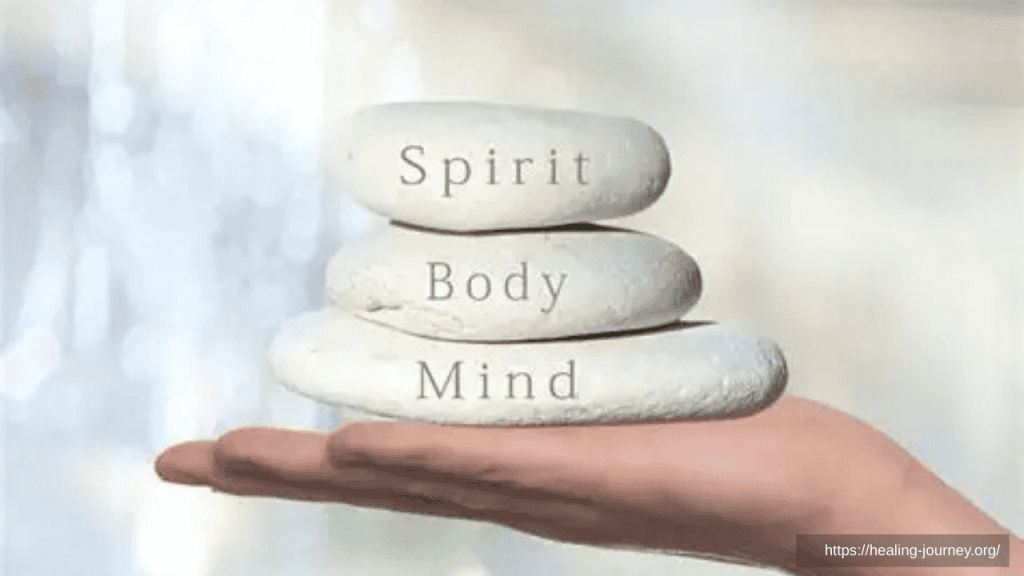
Recovery is more than breaking free from addiction. It is a journey of restoring balance, finding purpose, and rebuilding the connection between mind, body, and spirit. While traditional therapies play a critical role in treatment, lasting sobriety often requires deeper healing that addresses the root causes of substance use. At Healing Journey, holistic therapies are an essential part of our approach because they nurture the whole person, helping individuals heal from the inside out.


Understanding Holistic Healing in Recovery

Holistic therapy focuses on treating the individual as a complete being rather than only targeting symptoms of addiction. It recognizes that emotional pain, unresolved trauma, and spiritual disconnection often underlie substance use. By integrating therapies that address the mind, body, and soul, holistic recovery helps individuals find long-term balance and self-awareness.

The philosophy behind holistic care

In holistic treatment, healing is seen as a process of alignment. When the body is nourished, the mind calms, and the spirit feels supported, people are better able to sustain recovery. This approach encourages clients to build a lifestyle that supports wellness, not just abstinence.


The Role of Holistic Therapies in Addiction Treatment

At Healing Journey, holistic care works alongside evidence-based practices to provide comprehensive support. These therapies promote self-discovery, resilience, and mindfulness—qualities that are essential for lasting recovery.

1. Mindfulness and meditation

Meditation helps individuals observe thoughts and emotions without judgment, reducing stress and anxiety. By practicing mindfulness, clients gain greater control over impulses and learn to respond to triggers with clarity and calmness.

2. Yoga and movement

Yoga combines gentle movement, breathing, and awareness to strengthen the mind-body connection. It reduces physical tension, improves mood, and encourages presence, which supports emotional regulation during recovery.

3. Nutrition and physical wellness

Substance use often depletes the body of vital nutrients. Nutritional therapy restores physical health and energy, helping clients think clearly and feel stronger throughout recovery.

4. Creative and expressive therapies

Art, music, and journaling allow individuals to process emotions that may be difficult to express verbally. These creative outlets promote healing through self-expression and reflection.

5. Spiritual exploration

For many, recovery includes reconnecting with a sense of meaning or faith. Spiritual counseling and guided reflection help individuals cultivate hope and inner peace.


Why Holistic Therapies Foster Long-Term Sobriety

Sustained recovery requires more than willpower. It involves learning to manage emotions, build healthy habits, and nurture a positive self-image. Holistic therapies create lasting change because they empower individuals to understand themselves on a deeper level.

When clients experience healing in all areas of life, they develop stronger coping skills and a renewed sense of identity. They begin to view recovery not as restriction, but as transformation. This shift in perspective is key to maintaining long-term sobriety.


Integrating Holistic and Clinical Care at Healing Journey

At Healing Journey, we believe that no two recovery paths are the same. Our individualized programs combine evidence-based treatment with holistic therapies to meet each person’s unique needs. Whether through inpatient or outpatient care, clients receive compassionate, faith-based support that promotes healing on every level.

Our team guides each individual toward balance, purpose, and lasting well-being—because true recovery begins when the whole person is cared for.


Begin Healing from the Inside Out

Addiction recovery is not only about removing harmful substances. It is about learning to live with clarity, strength, and self-compassion. Holistic therapies provide the tools to rebuild your life from within, fostering physical health, emotional stability, and spiritual renewal.

If you or someone you love is seeking a recovery program that honors the connection between mind, body, and soul, Healing Journey is here to help. Reach out today to begin your path toward genuine, lasting healing—one that starts from the inside out.

Yoga, Meditation, and Recovery: Eastern Practices for Western Healing

The path to recovery is not only about overcoming addiction. It is about rebuilding a balanced, peaceful, and purposeful life. For many, traditional treatment programs provide the foundation for sobriety, but lasting healing often requires something more—a deeper reconnection with the mind, body, and spirit. Eastern practices like yoga and meditation have become powerful tools in modern recovery programs, helping individuals cultivate inner calm, self-awareness, and resilience. At Healing Journey, we believe these ancient practices offer timeless wisdom that perfectly complements evidence-based treatment for addiction and mental health recovery.


The Mind-Body Connection in Addiction Recovery

Addiction disrupts the harmony between the mind and body. It creates patterns of stress, impulsivity, and emotional imbalance that make recovery challenging. Yoga and meditation help restore this lost connection, guiding individuals toward mindfulness, physical strength, and emotional regulation.

How yoga supports the recovery process

Yoga is more than physical movement. It teaches discipline, grounding, and self-compassion. Through intentional breathing and mindful movement, yoga helps individuals manage cravings, reduce anxiety, and release stored tension in the body.

Regular practice has been shown to:

  • Lower stress and cortisol levels
  • Improve sleep quality
  • Increase body awareness and self-esteem
  • Foster patience and acceptance

For people in recovery, yoga becomes a safe space to reconnect with their bodies and embrace healing without judgment.


Meditation: Finding Peace Within

While yoga focuses on the unity of movement and breath, meditation cultivates stillness and awareness. Addiction often stems from or leads to racing thoughts, guilt, and emotional turmoil. Meditation helps individuals observe these feelings without reacting to them, creating space for calm and clarity.

Benefits of meditation for recovery

  • Reduced anxiety and depression: Regular meditation supports emotional regulation and decreases negative thinking.
  • Improved focus and mindfulness: Being fully present helps prevent relapse triggers and impulsive behaviors.
  • Enhanced self-compassion: Learning to sit with discomfort fosters forgiveness and inner peace.

At Healing Journey, meditation is often used alongside counseling, group therapy, and spiritual care to strengthen mental resilience and emotional stability.


Integrating Eastern Practices with Western Treatment

Eastern healing traditions blend beautifully with modern therapeutic approaches. When integrated with counseling, medical care, and faith-based guidance, yoga and meditation create a holistic path to sobriety that addresses the whole person.

Practical ways to include yoga and meditation in recovery

  1. Start small: Even five minutes of mindful breathing can reduce stress and increase focus.
  2. Join a recovery-centered yoga group: Practicing in a supportive environment builds community and accountability.
  3. Use guided meditations: Apps, recordings, or therapist-led sessions can help beginners stay consistent.
  4. Combine with therapy: Discuss insights from your practice with your therapist or counselor to deepen self-awareness.

By merging Eastern wisdom with Western recovery models, individuals gain powerful tools to manage emotions, strengthen their spirit, and create lasting change.


A Holistic Approach to Lifelong Sobriety

Healing is not a destination. It is an ongoing process of renewal. Yoga and meditation empower individuals to find peace within themselves, helping them respond to life’s challenges with balance and clarity. These practices remind us that recovery is not only about letting go of substances but also about embracing wholeness and connection.

At Healing Journey, our holistic and faith-based programs are designed to nurture every aspect of your being—mind, body, and spirit. If you or someone you love is seeking a compassionate, integrative approach to addiction recovery, we invite you to reach out today. Together, we can help you find harmony, strength, and serenity on your path to lasting sobriety.

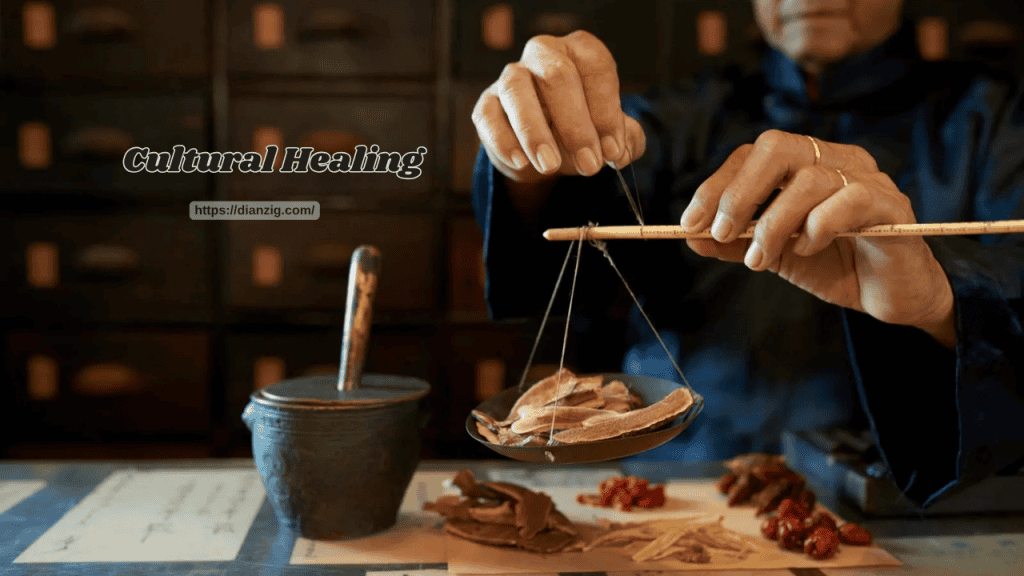
Cultural Healing: Indigenous Approaches to Addiction Recovery in the Valley

Addiction recovery is never one-size-fits-all. In the Okanagan Valley, Indigenous communities bring unique wisdom and traditions to the healing process, offering approaches that honor culture, spirituality, and connection. By blending traditional practices with modern treatment options, Indigenous approaches to recovery provide meaningful and lasting pathways to wellness. These practices not only support individuals on their journey but also strengthen the fabric of families and communities.

Honoring Tradition in Healing

Indigenous recovery approaches are deeply rooted in culture. Healing circles, smudging ceremonies, and storytelling are not just symbolic. They are powerful practices that restore balance, promote reflection, and build community support. These traditions emphasize the idea that healing is collective, involving family, elders, and community members alongside the individual. This perspective provides a sense of belonging that can be vital to recovery.

The Role of Spirituality

For many Indigenous people, spirituality is at the center of healing. Incorporating prayer, connection to the land, and guidance from elders helps individuals find strength beyond themselves. This spiritual grounding provides hope and resilience, giving people tools to overcome challenges without turning to substances. Faith-based and spiritual care programs in the Valley often work hand in hand with Indigenous traditions, recognizing the importance of addressing the whole person—body, mind, and spirit.

Integrating Modern and Traditional Care

While traditional practices play a vital role, Indigenous approaches in the Okanagan also value the benefits of modern addiction treatment. Inpatient and outpatient programs often integrate cultural elements into evidence-based therapies such as counseling, cognitive behavioral therapy, and medical support. This balanced model ensures individuals receive the medical attention they need while also staying connected to their heritage and identity.

Community Support and Resilience

Indigenous healing emphasizes community as a cornerstone of recovery. Programs in the Okanagan often include family counseling, mentorship, and peer support to ensure that individuals do not feel isolated in their journey. By creating safe and supportive environments, communities reduce stigma and empower people to speak openly about their struggles. This approach not only helps individuals recover but also strengthens the health and resilience of the entire community.

Holistic and Individualized Approaches

Indigenous recovery models align closely with holistic philosophies of care. Wellness is seen as a balance of physical, emotional, mental, and spiritual health. Programs may include traditional medicine, ceremonies, and cultural teachings alongside physical exercise, nutrition, and therapy. Each person’s path is individualized, reflecting their unique needs and cultural background. This flexibility ensures that recovery feels personal and authentic.

Conclusion

Indigenous approaches to addiction recovery in the Okanagan Valley highlight the importance of culture, spirituality, and community in the healing process. By weaving together traditional practices with modern care, these programs create pathways to recovery that honor identity and build resilience. If you or a loved one are seeking help, exploring culturally informed options could be the step toward lasting healing. Reaching out today may open the door to a future of strength, balance, and renewal.

Nature, Nurture, and Healing: Eco-Therapy and the Path to Sobriety

Recovery from addiction is a journey that requires care for the mind, body, and spirit. While traditional therapies and medical support are essential, integrating nature into the healing process can provide unique benefits. Eco-therapy, also known as nature therapy, is a holistic approach that uses outdoor experiences and environmental connection to support emotional balance, reduce stress, and strengthen resilience. At Healing Journey, we embrace eco-therapy as a valuable tool in helping individuals achieve lasting sobriety and overall well-being.


Understanding Eco-Therapy in Recovery

Eco-therapy is based on the understanding that humans have an innate connection to nature. Exposure to natural environments has been shown to reduce stress, lower blood pressure, improve mood, and enhance cognitive function. For individuals in recovery, nature provides a safe space for reflection, self-awareness, and emotional release.

The benefits of nature in addiction recovery

  • Stress reduction: Time outdoors lowers cortisol levels and calms the nervous system.
  • Emotional regulation: Natural settings provide space to process feelings without judgment.
  • Mindfulness and presence: Observing the rhythms of nature encourages focus and awareness, helping individuals stay present.
  • Motivation and purpose: Activities such as gardening, hiking, or conservation work foster accomplishment and self-worth.

Eco-therapy complements clinical treatment by reinforcing coping skills and providing holistic support for the emotional challenges of recovery.


Holistic Practices in Nature-Based Healing

Integrating eco-therapy with traditional recovery approaches creates a balanced, whole-person strategy.

Outdoor mindfulness and meditation

Practicing mindfulness outdoors, such as mindful walking or guided meditation in a natural setting, enhances self-awareness and stress management. These practices allow clients to connect deeply with themselves while cultivating a sense of peace.

Physical activity in nature

Hiking, yoga, or tai chi outdoors strengthens the body, releases endorphins, and supports physical wellness. Exercise in natural settings has additional mental health benefits, helping to reduce anxiety and depressive symptoms common in early recovery.

Creative expression in natural settings

Eco-therapy can also involve creative outlets such as photography, painting, or journaling in nature. These activities promote emotional expression, reflection, and personal growth.

Community engagement

Participating in group eco-therapy activities fosters connection and accountability. Shared experiences in nature can strengthen bonds, reduce feelings of isolation, and reinforce a sense of purpose.


Integrating Eco-Therapy with Clinical Care

At Healing Journey, eco-therapy is integrated into our comprehensive recovery programs, alongside counseling, mental health support, and holistic practices. Inpatient and outpatient care plans are tailored to each individual, allowing clients to explore nature-based strategies while receiving evidence-based treatment.

By combining clinical care with the restorative benefits of the natural world, individuals build resilience, manage stress, and maintain long-term sobriety.


Embracing Nature in Your Recovery

Nature offers a unique path to healing, providing calm, perspective, and connection during the recovery journey. Eco-therapy enhances traditional treatment by addressing the mind, body, and spirit, helping individuals cultivate mindfulness, emotional balance, and a renewed sense of purpose.

If you or a loved one are seeking a holistic approach to recovery that incorporates the restorative power of nature, Healing Journey is here to help. Reach out today to explore our personalized programs and take the next step toward lasting sobriety and well-being.

The Art of Inner Healing: Creative Therapies for Mind-Body Wellness in Recovery

Recovery is not only about breaking free from addiction. It is also about learning to reconnect with the self in meaningful and life-affirming ways. For many individuals, creative therapies provide a path to healing that reaches beyond words. Art, music, movement, and other expressive practices allow people in recovery to explore emotions, release inner tension, and rediscover joy. At Healing Journey, we believe that these creative outlets are essential tools for mind-body wellness and long-term sobriety.


Why Creativity Matters in Recovery

Addiction often silences self-expression. Many people carry unspoken pain, unresolved trauma, and a sense of disconnection from their emotions. Traditional talk therapy is powerful, but sometimes words alone are not enough. Creative therapies open new doors for healing by allowing emotions to surface in ways that feel safe, authentic, and empowering.

By engaging in creative practices, individuals can:

  • Process feelings that may be difficult to verbalize
  • Develop healthier coping strategies
  • Build confidence through self-discovery
  • Experience stress relief and inner calm
  • Strengthen the mind-body connection

Exploring Creative Therapies for Wellness

Art therapy

Through drawing, painting, or sculpting, art therapy provides a non-verbal outlet for self-expression. It allows individuals to explore complex emotions, confront painful memories, and create a visual representation of their healing journey.

Music therapy

Music has the power to shift moods, inspire reflection, and encourage connection. Whether through listening, playing instruments, or writing songs, music therapy helps regulate emotions and strengthens pathways for self-awareness.

Movement and dance

The body carries emotional memory, and movement can release tension that words cannot. Dance therapy or mindful movement helps clients reconnect with their physical selves while fostering balance and resilience.

Writing and journaling

Journaling and creative writing allow individuals to give shape to their experiences. By reflecting on struggles and triumphs in writing, clients gain clarity and cultivate a stronger sense of personal identity.


The Mind-Body Connection in Healing

Creative therapies do more than engage the imagination. They actively support mind-body wellness. Studies show that art, music, and movement reduce stress hormones, regulate breathing, and calm the nervous system. This makes creative practices particularly valuable for people in recovery, who often face heightened stress, anxiety, and emotional sensitivity.

When paired with evidence-based therapies such as counseling or group support, creative approaches provide a balanced path toward healing. They help individuals not only stay sober but also thrive in recovery.


Integrating Creative Therapies at Healing Journey

At Healing Journey, our holistic and faith-based programs combine traditional treatment with creative therapies to address the full spectrum of recovery needs. Whether in inpatient or outpatient care, clients are encouraged to discover which creative practices resonate most with them. Every individual’s healing journey is unique, and we tailor our approach to honor those differences.

Our compassionate team provides safe spaces where creativity becomes a bridge to deeper understanding, spiritual growth, and lasting transformation.


Discovering Healing Through Creativity

Recovery is not only about leaving addiction behind. It is about building a new life filled with purpose, balance, and joy. Creative therapies offer practical tools for emotional release, self-discovery, and mind-body renewal.

If you or someone you love is seeking a holistic approach to recovery, Healing Journey is here to help. Our individualized programs integrate creativity, compassion, and evidence-based care to support lasting sobriety. Reach out today to begin your journey toward healing and rediscover the art of living well.

From Detox to Renewal: Integrating Holistic Practices into Long-Term Recovery

The path to recovery does not end with detox. Detox is only the first step in clearing the body of substances and beginning the process of healing. The true challenge lies in building a life that supports long-term sobriety, resilience, and personal growth. For many individuals, holistic practices offer a powerful way to bridge the gap between early recovery and lasting renewal. At Healing Journey, we believe in treating the whole person—mind, body, and spirit—so that recovery becomes more than survival. It becomes transformation.


The Importance of Moving Beyond Detox

Detox is essential for stabilizing the body and creating a safe foundation for recovery. However, without addressing the underlying emotional, mental, and spiritual needs, individuals may struggle to sustain sobriety. Addiction often leaves behind patterns of stress, trauma, and disconnection. To truly heal, recovery must move beyond physical detox and embrace practices that restore balance across every part of life.


Holistic Practices That Strengthen Recovery

Holistic recovery recognizes that healing involves the whole self. By integrating physical wellness, emotional health, and spiritual growth, individuals create a strong foundation for long-term sobriety.

Nutrition and physical care

Substance use can deplete the body of essential nutrients. Restoring physical health through balanced meals, hydration, and supplements supports energy, brain function, and emotional stability. Regular exercise also helps reduce cravings, release natural endorphins, and improve overall mood.

Mindfulness and stress reduction

Mindfulness practices such as meditation, breathwork, and guided relaxation help calm the nervous system and build emotional resilience. These tools provide practical strategies for managing cravings and responding to stress in healthy ways.

Creative and expressive therapies

Art, music, journaling, and movement therapies allow individuals to process emotions that may be difficult to express verbally. Creative practices support healing by fostering self-awareness and providing healthy outlets for emotional release.

Spiritual exploration

Many people in recovery find renewal through spiritual practices. This may involve prayer, reflection, time in nature, or faith-based support. Reconnecting with values and purpose can bring clarity and a deeper sense of direction in sobriety.


Integrating Holistic Healing with Clinical Care

Holistic practices are most effective when combined with professional treatment. At Healing Journey, inpatient and outpatient programs are designed to blend evidence-based therapies with individualized holistic care. This approach ensures that clients not only receive medical and therapeutic support but also learn daily practices that strengthen recovery long after treatment ends.

Whether through counseling, group therapy, or faith-based programs, the integration of holistic healing provides individuals with the tools they need to build lasting stability and resilience.


Practical Steps to Embrace Renewal

  1. Establish a daily routine that includes nutrition, movement, and mindfulness.
  2. Seek support from communities or groups that align with your recovery goals.
  3. Explore creative or spiritual practices that bring joy and connection.
  4. Work with professionals who understand the value of holistic healing in long-term recovery.

Choosing Renewal

Recovery is not just about removing substances from your life. It is about creating a new way of living that supports health, balance, and meaning. By integrating holistic practices into long-term recovery, individuals can move from detox to true renewal.

At Healing Journey, we are committed to walking with you every step of the way, offering compassionate, personalized care that honors your unique path. If you or a loved one are ready to explore a holistic approach to recovery, reach out today. Renewal begins with a single step, and we are here to help you take it.

Spiritual Sobriety: Reconnecting with Purpose Through Holistic Recovery

Recovery from addiction is not just about achieving abstinence. True healing involves reconnecting with your inner self, finding meaning, and restoring a sense of purpose in life. Spiritual sobriety emphasizes this deeper aspect of recovery. It is about nurturing the soul, rebuilding values, and fostering resilience through holistic approaches that treat the mind, body, and spirit. At Healing Journey, we recognize that lasting recovery is not only about stopping substance use but also about creating a life filled with purpose and connection.


Understanding Spiritual Sobriety

Spiritual sobriety does not have to be religious. It is about discovering a sense of meaning, belonging, and inner peace that supports long-term recovery. Addiction often leaves individuals feeling disconnected from themselves, others, and the world around them. Reconnecting with purpose is an essential part of the healing process.

The role of purpose in recovery

Having a clear sense of purpose provides direction, motivation, and resilience. Individuals with a strong sense of meaning are better equipped to navigate challenges, resist relapse, and cultivate healthier relationships. Purpose acts as a guiding principle, helping individuals make choices aligned with their values rather than old patterns of addiction.


Holistic Practices for Spiritual Healing

Healing Journey integrates holistic approaches into every aspect of care. Spiritual sobriety is supported through methods that strengthen the mind, body, and soul.

Mindfulness and meditation

Mindfulness practices help individuals stay present and aware of their thoughts and emotions. Meditation can foster self-reflection, emotional regulation, and a deeper connection to personal values. Over time, these practices help individuals develop clarity and inner peace.

Connection with community

Supportive relationships are central to spiritual growth. Group therapy, peer support, and faith-based communities provide connection, accountability, and encouragement. Sharing experiences with others fosters empathy and a sense of belonging that strengthens recovery.

Purpose-driven activities

Engaging in meaningful work, creative expression, volunteering, or personal projects can nurture the spirit and reinforce a sense of contribution. These activities shift focus from addiction to growth, helping individuals find joy and fulfillment in sobriety.


Integrating Spiritual Sobriety with Clinical Care

Holistic recovery works best when combined with professional treatment. Healing Journey provides individualized care plans that incorporate mental health support, inpatient and outpatient programs, and evidence-based therapies. Spiritual practices complement these interventions by addressing the emotional and existential aspects of addiction.

By integrating faith-based approaches, mindfulness, and purpose-driven activities, individuals can rebuild their lives on a foundation of strength, meaning, and resilience.


Practical Steps to Reconnect with Purpose

  1. Set small, meaningful goals that align with personal values.
  2. Engage in regular mindfulness, meditation, or prayer.
  3. Participate in supportive communities, whether therapeutic or faith-based.
  4. Explore creative or volunteer activities that foster personal growth.
  5. Reflect regularly on progress and maintain a journal to track insights and milestones.

Conclusion

Spiritual sobriety is a vital component of holistic recovery. It allows individuals to reconnect with themselves, rediscover their purpose, and cultivate inner peace. Recovery is not just about ending substance use; it is about building a life of meaning, resilience, and fulfillment.

At Healing Journey, we provide compassionate, individualized care that integrates spiritual growth with clinical treatment. If you or a loved one are ready to explore holistic recovery and reconnect with your purpose, reach out today. Taking the first step toward spiritual sobriety can open the door to a healthier, more fulfilling life.

Whole-Person Healing: The Role of Nutrition, Movement, and Mindfulness in Sobriety

Recovery is more than breaking free from substance use. True healing means rebuilding the mind, body, and spirit so that sobriety becomes not just a goal, but a sustainable way of life. While medical care and counseling are vital, many people discover that a holistic approach—one that includes nutrition, movement, and mindfulness—creates a stronger foundation for lasting recovery. At Healing Journey, the focus is on treating the whole person, recognizing that recovery is as much about renewal as it is about resilience.


Why Whole-Person Healing Matters in Addiction Recovery

Addiction affects every part of a person’s life. Physically, it can leave the body depleted and unbalanced. Mentally, it can heighten stress, anxiety, and depression. Spiritually, it can create disconnection and a loss of purpose. Whole-person healing addresses each of these areas together, helping individuals strengthen their bodies, calm their minds, and reconnect with their deeper values.

By integrating evidence-based treatment with holistic practices, recovery becomes about more than abstinence. It becomes about rebuilding health, hope, and purpose.


Nutrition and Sobriety: Fueling the Body to Heal

Substance use often leaves the body deficient in essential vitamins and minerals. Malnutrition can worsen fatigue, mood swings, and cravings. Restoring health through proper nutrition is one of the first steps to rebuilding balance.

The role of nutrition in recovery

  • Stabilizing mood and energy: Whole foods rich in proteins, complex carbohydrates, and healthy fats help regulate blood sugar and stabilize mood.
  • Supporting brain health: Omega-3 fatty acids, B vitamins, and amino acids repair neurotransmitter function, which is often damaged by addiction.
  • Strengthening resilience: Eating well provides the energy needed to engage fully in therapy, exercise, and daily life.

Simple, intentional changes in diet can make a profound difference in both physical healing and emotional stability.


Movement: Rebuilding Strength and Reducing Stress

Exercise is more than a way to stay fit. In recovery, movement becomes a powerful tool for rebuilding health and reducing stress.

Benefits of movement in sobriety

  • Releasing natural endorphins that boost mood and combat anxiety.
  • Rebuilding strength and stamina lost during active addiction.
  • Providing structure and routine, which are vital for maintaining sobriety.

Activities like yoga, walking, swimming, or strength training can be personalized to meet each person’s needs. Even small steps toward movement create momentum and confidence in recovery.


Mindfulness: Cultivating Calm and Awareness

Mindfulness practices are increasingly recognized as transformative in addiction recovery. Stress, cravings, and emotional triggers can make sobriety challenging, but mindfulness helps create space between impulse and action.

How mindfulness supports recovery

  • Reducing cravings by teaching awareness of urges without judgment.
  • Improving emotional regulation by calming the nervous system.
  • Promoting self-compassion, which reduces shame and fosters healing.

Meditation, deep breathing, and gratitude practices are simple but powerful ways to integrate mindfulness into daily life.


A Holistic Path to Long-Term Recovery

Recovery is not a one-size-fits-all journey. Every individual has unique needs, histories, and goals. By combining professional treatment with holistic practices like nutrition, movement, and mindfulness, sobriety becomes more than survival. It becomes a path to thriving.

Healing Journey is dedicated to helping individuals rebuild every aspect of life, offering inpatient and outpatient programs that integrate clinical excellence with faith-based and holistic care.


Taking the Next Step Toward Healing

Addiction recovery is about more than putting substances behind you. It is about nourishing your body, strengthening your mind, and rediscovering your purpose. Whole-person healing through nutrition, movement, and mindfulness provides a strong foundation for a life of lasting sobriety.

If you or a loved one are seeking compassionate, personalized support, Healing Journey is here to walk with you. Reach out today and take the first step toward a healthier, more hopeful future.