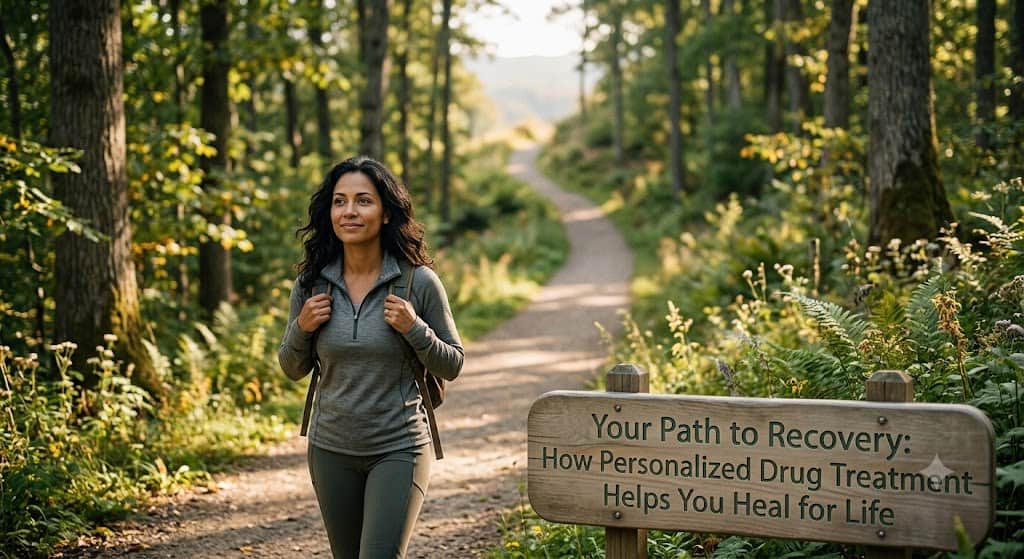
Beyond Getting Sober: How Recovery Treatment Can Help You Rediscover Purpose and Direction

Getting sober is a powerful first step, but recovery is about much more than stopping drug use. For many people, the deeper challenge begins when they start asking, “What comes next?” Addiction can disrupt relationships, work, health, confidence, routines, and personal goals. Recovery treatment can provide an opportunity to address those losses while helping individuals discover new reasons to move forward. At Healing Journey, addiction recovery is approached as a personal process that can include mental health treatment, individualized care, inpatient and outpatient services, holistic wellness, and faith-based support. This whole-person approach recognizes that lasting recovery is not simply about avoiding substances. It is about building a life that feels meaningful, stable, and worth protecting.

Why Purpose Matters in Drug Recovery

Addiction can gradually narrow a person’s world. Getting and using drugs may become the primary focus, leaving little time or energy for relationships, hobbies, education, employment, spirituality, or personal ambitions.

Once substance use is no longer controlling daily life, there may be an unfamiliar amount of space to fill.

That transition can be both exciting and difficult.

A sense of purpose can help provide direction during this stage. Purpose does not have to mean having a perfect career, accomplishing a major goal, or knowing exactly where life will lead. It can begin with simple questions:

  • What kind of person do I want to become?
  • What relationships matter most to me?
  • What activities make me feel engaged?
  • What values do I want to live by?
  • What would make my life feel meaningful?
  • What is one positive goal I can work toward today?

Recovery treatment can help individuals explore these questions without expecting them to have all the answers immediately.

Recovery Is More Than a Sober Lifestyle

Sobriety provides an essential foundation, but sustainable recovery also involves learning how to live without relying on substances to manage difficult experiences.

Building Healthy Daily Structure

A predictable routine can provide stability. Regular sleep, nutritious meals, exercise, therapy, responsibilities, and recovery support can create a rhythm that makes healthy choices easier.

Structure also provides opportunities to experience accomplishment. Completing a counseling session, preparing a meal, going to work, exercising, or following through on a commitment may seem ordinary, but these actions can help rebuild confidence.

Over time, ordinary healthy decisions can become evidence that change is possible.

Rediscovering Interests

Addiction can push meaningful activities aside. Recovery creates an opportunity to explore interests that may have been neglected.

Someone might return to music, art, reading, sports, cooking, nature, volunteering, or another hobby. These activities are not simply ways to stay busy. They can help individuals reconnect with parts of themselves that existed before addiction became dominant.

Personalized Treatment Helps You Find Your Own Direction

There is no universal definition of a meaningful life, and there is no single recovery plan that works for everyone.

Healing Journey emphasizes individualized addiction recovery because each person’s circumstances, history, mental health needs, relationships, strengths, and goals are different. Treatment may involve clinical assessments, individual counseling, group therapy, family support, relapse prevention planning, and ongoing evaluation.

Treatment Goals Can Change Over Time

Early recovery may focus on stabilization, safety, coping skills, and developing a strong foundation for sobriety.

Later, the focus may expand.

Individuals may begin working toward:

  • Returning to school
  • Finding meaningful employment
  • Repairing important relationships
  • Developing healthier friendships
  • Improving physical wellness
  • Managing finances responsibly
  • Exploring spirituality
  • Pursuing personal interests
  • Becoming more independent

A treatment plan should have room to evolve as recovery progresses.

Mental Health Support Can Reveal What Matters Most

Addiction and mental health often intersect. Anxiety, depression, trauma, grief, and chronic stress can influence substance use. At the same time, prolonged drug use can make emotional and psychological difficulties harder to manage.

For that reason, addressing mental health is an important part of building a future beyond addiction.

Individual Counseling

Individual therapy offers a private environment to examine thoughts, emotions, experiences, and behaviors. With professional guidance, individuals can identify triggers and develop healthier ways to handle stress and difficult emotions.

Therapy can also help someone explore questions about identity and purpose.

Instead of defining yourself by what happened during addiction, counseling can help you consider who you want to become.

Group Therapy

Recovery can feel isolating. Group therapy provides connection with people who understand many of the challenges involved in addiction and healing.

Sharing experiences, listening to others, and receiving constructive feedback can help individuals recognize their strengths and feel less alone.

Trauma-Informed Care

For some people, addiction is connected to unresolved trauma. Trauma-informed treatment emphasizes safety, trust, compassion, and respect.

Addressing painful experiences at an appropriate pace can help individuals develop greater emotional awareness and healthier coping skills.

Choosing the Right Level of Care

The level of addiction treatment a person needs can change throughout recovery. Healing Journey offers inpatient and outpatient care, providing different levels of structure and support.

Inpatient Treatment

Inpatient care provides a structured environment where individuals can concentrate more fully on recovery. This setting can be particularly valuable for people who need intensive support, increased stability, or distance from environments associated with substance use.

A structured treatment environment can provide time to establish routines, participate consistently in therapy, identify triggers, and practice healthier coping strategies.

Outpatient Treatment

Outpatient care allows individuals to receive professional treatment while continuing certain responsibilities at home, work, school, or within their families.

This can be helpful for people who are ready to practice recovery skills in everyday situations while maintaining access to counseling and professional support.

The appropriate level of care should be determined according to individual needs and recommendations from qualified treatment professionals.

Holistic Care Can Help You Reconnect With Yourself

Purpose is difficult to pursue when the mind and body are overwhelmed. Holistic care can complement addiction treatment by encouraging attention to physical, emotional, mental, and spiritual wellness.

Caring for Physical Wellness

Sleep, nutrition, movement, and appropriate healthcare can help create a stronger physical foundation.

These habits can also provide healthy structure. Taking care of your body becomes a daily reminder that your well-being matters.

Managing Stress in Healthy Ways

Learning to manage stress without substances is an important recovery skill.

Mindfulness, meditation, relaxation exercises, creative activities, time outdoors, exercise, and healthy social connection can provide alternatives when difficult emotions arise.

The goal is not to eliminate stress. It is to develop healthier responses to it.

Faith and Spirituality Can Provide Direction

For individuals who value spirituality, faith can become a meaningful part of recovery. Faith-based support may encourage hope, forgiveness, reflection, personal responsibility, and a renewed sense of purpose.

Spirituality can also help individuals recognize that addiction is only one part of their story.

A person may begin to see themselves as a parent, friend, professional, student, community member, or person of faith rather than simply someone who has struggled with addiction.

Healing Journey’s faith-based approach allows spirituality to be incorporated into recovery for individuals who want it, while respecting personal beliefs and individual needs.

Rebuilding Relationships Can Restore Meaning

Addiction often affects the people closest to us. Trust may have been damaged, communication may have broken down, and loved ones may be uncertain about what to expect.

Rebuilding relationships takes time, but the process itself can become an important part of finding purpose.

Start With Accountability

Recovery does not require pretending that past actions did not cause harm. Taking responsibility can demonstrate personal growth.

However, accountability should be paired with realistic expectations. Loved ones may need time to process what happened and establish their own boundaries.

Let Consistency Speak

Promises are important, but consistent actions often carry greater weight.

Showing up, communicating honestly, respecting boundaries, keeping commitments, and continuing treatment can gradually demonstrate that recovery is becoming part of everyday life.

Set Goals That Give Recovery Direction

A future can feel overwhelming when viewed all at once. Instead, break larger goals into smaller steps.

For example, someone who wants to return to school might begin by researching programs. Someone hoping to rebuild a career might start by updating a resume. Someone wanting healthier relationships might begin by practicing honest communication.

Use Meaningful Goals to Strengthen Motivation

Ask yourself what you want your life to contain.

Maybe you want to be more present with your children. Maybe you want financial independence. Perhaps you want to help others who are struggling, develop a career, strengthen your faith, or simply wake up each morning feeling comfortable with who you are.

These goals can become reasons to keep investing in recovery.

Your Identity Can Grow Beyond Addiction

One of the most important changes in recovery is learning that your past does not have to dictate your identity.

You are not limited to the worst decisions you made while struggling with addiction.

Recovery gives you an opportunity to develop new skills, repair relationships where possible, establish healthy routines, and make choices that reflect your values.

That process takes time. However, each healthy decision can contribute to a stronger sense of identity.

Conclusion: Build a Life You Want to Stay Sober For

Getting sober can change the direction of your life, but rediscovering purpose can give recovery deeper meaning. Treatment can provide more than support for stopping substance use. It can help individuals understand themselves, address mental health concerns, develop healthier habits, rebuild relationships, explore personal values, and create realistic goals for the future.

Healing Journey’s individualized approach recognizes that meaningful recovery looks different for every person. Addiction recovery services, mental health treatment, inpatient and outpatient care, holistic wellness, and faith-based support can provide different tools for addressing the challenges of recovery while helping individuals reconnect with what matters most.

You do not need to know exactly what your future looks like before beginning treatment. Sometimes, purpose develops gradually as you become healthier, more confident, and more connected to the people and activities that give your life meaning.

If addiction has left you feeling uncertain about what comes next, professional support can help you take that next step. Sobriety can be the beginning. With compassionate, personalized care, recovery can also become an opportunity to rediscover purpose, rebuild confidence, and create a future you genuinely want to live.


Healing From the Inside Out: Creating Healthy Habits That Support Long-Term Drug Recovery

Long-term drug recovery is about more than avoiding substances. It is about learning how to live in a way that supports physical health, emotional stability, meaningful relationships, and personal growth. After addiction has disrupted everyday life, healthy habits can provide the structure needed to rebuild. From getting consistent sleep and managing stress to attending therapy and reconnecting with supportive people, small choices can become powerful tools for lasting recovery. At Healing Journey, a compassionate and individualized approach recognizes that sustainable healing involves the whole person. Addiction recovery services, mental health treatment, inpatient and outpatient care, holistic practices, and faith-based support can work together to help individuals create healthier lives from the inside out.

Why Healthy Habits Matter in Drug Recovery

Addiction can disrupt routines that support overall wellness. Sleep may become irregular, nutrition may suffer, responsibilities can become difficult to manage, and emotional stress may be handled through substance use.

Recovery creates an opportunity to establish new patterns.

Healthy habits can help individuals:

  • Create structure and stability
  • Manage stress more effectively
  • Improve physical wellness
  • Recognize emotional needs
  • Develop healthier coping skills
  • Build confidence through consistent progress
  • Support long-term sobriety

The goal is not to change everything overnight. Sustainable recovery develops through realistic habits that can be maintained over time.

Start With a Consistent Daily Routine

A predictable routine can make recovery feel more manageable. When each day has some structure, there are fewer opportunities for boredom, isolation, or impulsive decisions to take control.

Prioritize Healthy Sleep

Sleep plays an important role in physical and emotional well-being. Creating a consistent bedtime, limiting stimulating activities before sleep, and keeping a regular morning routine can support better rest.

If sleep problems persist, discuss them with a qualified healthcare or treatment professional rather than attempting to manage them through substances or unapproved medications.

Make Time for Movement

Physical activity can be a practical part of a recovery routine. Walking, stretching, swimming, strength training, or another enjoyable activity can provide a healthy way to release tension and spend time constructively.

The goal is consistency rather than intensity. A short daily walk can be more sustainable than an ambitious exercise program that quickly becomes overwhelming.

Build Regular Meals

Nutrition is another important part of whole-person wellness. Regular, balanced meals can support energy and help establish a predictable daily rhythm.

Individuals in recovery should consider discussing significant nutritional concerns with a qualified healthcare professional, particularly when there have been prolonged periods of poor nutrition or other health concerns.

Develop Healthier Ways to Manage Stress

Stress is a common challenge during addiction recovery. Work, relationships, financial concerns, family responsibilities, and emotional memories can all create pressure.

The important question is not whether stress will occur. It is how you respond when it does.

Practice Mindfulness

Mindfulness encourages people to notice thoughts and emotions without immediately reacting to them. A few minutes of slow breathing, quiet reflection, or guided meditation can become part of a daily stress management routine.

Use Journaling

Writing down thoughts can make difficult emotions easier to understand. A journal can also help identify patterns involving cravings, stress, sleep, and relationships.

For example, someone might notice that cravings become stronger after poor sleep or conflict with a particular person. Recognizing these patterns can make it easier to discuss them during therapy and develop appropriate coping strategies.

Make Space for Healthy Recreation

Recovery should include activities that are enjoyable, not only activities that feel like obligations. Reading, music, art, cooking, sports, gardening, nature walks, or hobbies can provide healthy outlets for attention and emotion.

Make Mental Health Part of Your Recovery Routine

Mental health and addiction recovery are closely connected. Anxiety, depression, trauma, grief, and chronic stress can contribute to substance use and can also make recovery more challenging.

Healing Journey’s approach incorporates mental health support alongside addiction treatment, recognizing that sustainable recovery requires attention to emotional wellness as well as substance use.

Continue Individual Counseling

Therapy provides a place to explore triggers, relationships, emotions, and behaviors. It can also help individuals recognize patterns that may not be obvious when they are dealing with them alone.

Participate in Group Support

Group therapy can reduce isolation and create opportunities to learn from others. It can also provide encouragement and accountability during challenging periods.

Ask for Support Before a Crisis

One of the healthiest habits in recovery is learning to ask for help early. You do not need to wait until a problem becomes overwhelming.

Reaching out to a therapist, treatment professional, trusted loved one, or recovery support group can provide perspective when you need it most.

Create a Supportive Environment

The people and environments surrounding you can influence recovery. Healthy habits become easier to maintain when your surroundings support your goals.

Strengthen Positive Relationships

Spend time with people who respect your recovery and encourage healthy decisions. Supportive relationships can provide connection, accountability, and encouragement.

Establish Healthy Boundaries

Some relationships or environments may be closely connected to past substance use. Establishing boundaries can protect your progress.

This may mean limiting contact with certain people, avoiding particular locations, or communicating clearly about what you need to remain focused on recovery.

Build a Recovery Support Network

A strong network can include family members, friends, counselors, peer support groups, faith communities, and addiction treatment professionals.

You do not have to rely on one person for everything. A diverse support system can provide different types of encouragement throughout your healing journey.

Choose the Right Level of Professional Care

Healthy habits are valuable, but they are not a replacement for professional addiction treatment when treatment is needed. The right level of care can provide structure, clinical support, and accountability while helping individuals develop skills they can use after treatment.

Inpatient Care

Inpatient treatment can provide a structured environment for individuals who need intensive support. It offers an opportunity to focus on recovery while participating in therapy, establishing healthier routines, and addressing underlying concerns.

A stable environment can be particularly helpful when a person’s current surroundings make recovery difficult.

Outpatient Care

Outpatient treatment allows individuals to receive ongoing professional support while continuing certain responsibilities at home, work, school, or within their families.

Outpatient care can also help individuals practice recovery skills in real-world situations while maintaining access to counseling and accountability.

The appropriate level of treatment should be determined according to individual needs and professional recommendations.

Include Holistic Wellness in Your Recovery Plan

Holistic recovery considers physical, emotional, mental, and spiritual wellness together. This approach can complement traditional addiction treatment by helping individuals develop healthier ways to care for themselves.

Support the Mind

Mindfulness, meditation, counseling, creative activities, and healthy social connection can help promote emotional awareness and stress management.

Support the Body

Sleep, nutrition, movement, and appropriate medical care can help individuals establish a stronger physical foundation for recovery.

Support Your Sense of Purpose

Long-term recovery becomes more meaningful when it connects to something important. That may involve family, career goals, education, service, creativity, spirituality, or personal growth.

Having a reason to keep moving forward can help sustain motivation when recovery becomes difficult.

Faith Can Become Part of a Healthy Lifestyle

For individuals who value faith, spiritual practices can become a meaningful part of recovery. Faith-based support may encourage hope, forgiveness, reflection, resilience, and a renewed sense of purpose.

Spirituality can also provide healthy routines, such as prayer, meditation, worship, community involvement, or personal reflection.

Healing Journey’s faith-based approach respects individual beliefs and allows spirituality to become part of a personalized recovery experience when desired.

Turn Small Habits Into Lasting Change

One of the most important principles of long-term drug recovery is consistency. A healthy habit does not have to be impressive to be valuable.

Consider choosing a few manageable commitments, such as:

  1. Wake up at a consistent time.
  2. Eat regular meals.
  3. Move your body each day.
  4. Attend scheduled treatment or counseling.
  5. Spend time with supportive people.
  6. Practice a stress management technique.
  7. Get enough rest.
  8. Make time for something meaningful.

As these choices become routine, they can create a stronger foundation for recovery.

Be Patient With Your Progress

Recovery is not a test of perfection. Some days will be easier than others. There may be moments when motivation decreases or old emotions return.

That does not mean your progress has disappeared.

Instead, difficult moments can be opportunities to use the skills you have learned and reach for additional support. If you experience a setback or feel that your recovery is becoming unstable, contacting a qualified treatment professional promptly can help you determine what additional support may be appropriate.

Self-compassion is also important. Lasting change takes time, and expecting immediate transformation can create unnecessary pressure.

Conclusion: Healthy Habits Create a Stronger Foundation for Recovery

Healing from addiction involves rebuilding the way you live, think, respond to stress, and connect with others. Healthy habits provide practical ways to support that process every day. Consistent sleep, nutritious meals, physical activity, emotional support, therapy, healthy relationships, mindfulness, and meaningful activities can all contribute to a lifestyle that supports long-term drug recovery.

At Healing Journey, recovery is approached as a whole-person process. Individualized addiction treatment, mental health support, inpatient and outpatient care, holistic practices, and faith-based approaches can help individuals address the different dimensions of healing.

If you or someone you love is struggling with addiction, you do not have to figure out the next step alone. Professional support can provide the structure, guidance, and encouragement needed to begin creating healthier patterns. Start with one manageable change, seek support when you need it, and keep building from there. With time and compassionate care, today’s healthy choices can become the foundation for a healthier and more fulfilling future.

Restoring What Addiction Took Away: How Drug Recovery Can Help You Reclaim Your Life

Addiction can gradually take over parts of life that once felt ordinary and meaningful. Relationships may become strained, responsibilities may be neglected, confidence can fade, and activities that once brought joy may disappear. Yet addiction does not have to determine what comes next. Drug recovery can create an opportunity to restore what was lost and build something healthier in its place. With compassionate treatment, mental health support, individualized care, and a strong recovery plan, individuals can begin rebuilding relationships, rediscovering purpose, and developing the confidence to move forward.

At Healing Journey, recovery is approached as a personal process rather than a standard formula. The organization emphasizes individualized addiction recovery, mental health treatment, inpatient and outpatient care, holistic wellness, and faith-based support. This whole-person perspective recognizes that lasting recovery involves more than stopping substance use. It involves helping people reconnect with themselves and the life they want to live.

Understanding What Addiction Can Take Away

Addiction affects much more than physical health. Over time, substance use can influence emotional well-being, relationships, employment, finances, personal goals, and a person’s sense of identity.

Someone may begin to feel disconnected from the person they were before addiction.

Common losses can include:

  • Trust within important relationships
  • Confidence in personal decision-making
  • Healthy daily routines
  • Career or educational opportunities
  • Physical and emotional well-being
  • Connection with family and friends
  • Interest in hobbies and meaningful activities
  • A sense of purpose or direction

Recognizing these losses can be painful. However, acknowledging them can also become part of the healing process.

Recovery creates an opportunity to address these areas gradually and replace unhealthy patterns with healthier choices.

Recovery Is About More Than Sobriety

Achieving sobriety is an important milestone, but recovery does not end there. A person may stop using drugs and still need support with anxiety, depression, trauma, relationships, or everyday stress.

True healing involves learning how to live differently.

Rebuilding Daily Stability

Healthy routines can provide structure during recovery. Consistent sleep, nutritious meals, physical activity, therapy, and meaningful responsibilities can help create stability.

Small routines can eventually become powerful foundations for a healthier lifestyle.

Rediscovering Personal Interests

Addiction can push hobbies and interests aside. Recovery provides an opportunity to explore those activities again.

Reading, exercising, creating art, spending time outdoors, volunteering, or reconnecting with music can provide healthy sources of enjoyment and fulfillment.

Creating New Goals

Setting realistic goals gives recovery direction. These goals might involve education, employment, relationships, physical wellness, spirituality, or personal development.

The objective is not to rebuild everything at once. Instead, individuals can identify what matters most and work toward it step by step.

Personalized Drug Recovery Makes a Difference

Every person’s experience with addiction is different. Two people may struggle with the same substance but have completely different reasons for using it, recovery challenges, and personal goals.

For that reason, individualized treatment can be an important part of effective drug recovery.

Healing Journey’s approach emphasizes understanding each client’s circumstances, mental health, personal history, relationships, strengths, and recovery goals. Treatment plans can include clinical assessments, individual counseling, group therapy, family support when appropriate, relapse prevention planning, and ongoing progress evaluations.

Treatment Should Adapt as You Heal

Recovery needs can change over time. Early treatment may focus heavily on stabilization and coping skills. Later, attention may shift toward relationships, employment, independent living, emotional resilience, and long-term goals.

A flexible treatment plan allows support to evolve as the individual grows.

Mental Health Support Helps Restore Emotional Wellness

Many people struggling with addiction also face mental health challenges. Anxiety, depression, trauma, grief, and chronic stress can contribute to substance use. At the same time, prolonged drug use can make emotional and psychological difficulties harder to manage.

Addressing mental health alongside addiction can therefore strengthen the recovery process. Healing Journey incorporates mental health treatment into its broader recovery approach.

Individual Counseling

Individual therapy provides a private environment where clients can explore difficult experiences, identify triggers, and develop healthier coping strategies.

Rather than simply asking someone to stop using substances, counseling can help answer an important question: What needs to change so that drugs are no longer the primary way of coping?

Group Therapy

Group counseling can reduce isolation and provide a sense of connection. Hearing from people with similar experiences can remind individuals that they are not alone.

Group settings can also encourage accountability and help clients practice healthier communication.

Trauma-Informed Support

Unresolved trauma can influence emotions, relationships, and substance use. Trauma-informed treatment prioritizes safety, trust, compassion, and respect while helping individuals work through difficult experiences at an appropriate pace.

Choosing the Right Level of Care

Different people need different levels of treatment. Healing Journey offers inpatient and outpatient options, allowing care to reflect individual circumstances and recovery needs.

Inpatient Treatment

Inpatient care provides a structured environment where individuals can focus more fully on recovery. This can be particularly valuable when someone requires intensive support, greater stability, or distance from environments associated with substance use.

A structured treatment setting can provide time to:

  • Establish healthy routines
  • Participate consistently in therapy
  • Identify triggers
  • Develop coping skills
  • Focus on emotional and physical wellness

Outpatient Treatment

Outpatient care provides continued professional support while allowing individuals to maintain certain responsibilities at home, work, school, or within their families.

This flexibility can be especially useful as someone transitions toward greater independence.

The appropriate level of care should be determined according to individual needs and professional recommendations.

Holistic Healing Can Help Reconnect Mind and Body

Addiction can disconnect individuals from their physical and emotional needs. Holistic care encourages people to pay attention to the entire person.

Healing Journey’s holistic approach may incorporate wellness practices that support physical health, emotional balance, stress management, and personal growth.

Caring for Physical Health

Adequate sleep, nutritious food, exercise, and regular healthcare can support physical recovery. These habits also provide structure and positive ways to spend time.

Managing Stress in Healthier Ways

Mindfulness, meditation, relaxation techniques, creative activities, and healthy social connection can offer alternatives to substance use when stress becomes difficult.

Reconnecting With Purpose

Purpose can become a powerful part of long-term recovery. Individuals may discover that they want to repair relationships, pursue education, develop a career, serve their community, strengthen their faith, or simply become more present in everyday life.

Purpose gives recovery a direction beyond avoiding drugs.

Faith Can Help Restore Hope

For individuals who value spirituality, faith can become an important source of strength. A faith-based approach may encourage reflection, forgiveness, personal responsibility, hope, and a renewed sense of purpose.

Healing Journey provides faith-based support for individuals who want spirituality to be part of their recovery experience. This support is designed to respect each person’s beliefs and personal needs.

For some people, reconnecting with faith can help them see themselves as more than their addiction. It can provide a foundation for rebuilding identity and imagining a future with greater meaning.

Rebuilding Relationships After Addiction

Addiction can leave loved ones hurt, disappointed, or uncertain about whether they can trust again. Rebuilding relationships takes patience.

Start With Accountability

Recovery does not require pretending that past actions did not cause harm. Taking responsibility can be an important step toward repairing trust.

Let Actions Demonstrate Change

Promises alone may not restore relationships. Consistent behavior over time is often more meaningful.

Showing up, communicating honestly, respecting boundaries, and following through on commitments can gradually demonstrate that recovery is becoming part of everyday life.

Accept That Healing Takes Time

Loved ones may need their own time to process what happened. Healthy recovery includes respecting their feelings and boundaries while continuing to focus on personal growth.

Reclaiming Your Life Happens One Step at a Time

It can be tempting to look at everything addiction changed and feel overwhelmed. Instead, focus on what can be rebuilt today.

One conversation can begin repairing a relationship.

One therapy session can uncover an important insight.

One healthy routine can create stability.

One sober day can become another.

One personal goal can provide a reason to keep moving forward.

These individual choices may seem small, but together they can transform the direction of a person’s life.

Conclusion: Your Future Does Not Have to Be Defined by Addiction

Addiction can take away time, trust, confidence, health, relationships, and a sense of purpose. However, those losses do not have to define the rest of your story. Drug recovery can provide the support and structure needed to begin restoring what addiction disrupted while creating new foundations for a healthier future.

Compassionate, individualized treatment can address addiction while also supporting mental health, physical wellness, relationships, and personal purpose. Inpatient and outpatient care can provide different levels of structure, while holistic and faith-based approaches can offer additional tools for healing.

At Healing Journey, the focus is on helping individuals move beyond substance use and toward meaningful, sustainable change. If addiction has affected your life or someone you love, you do not have to rebuild everything alone. Reaching out for professional support can be the first step toward reclaiming your health, your relationships, your confidence, and your future.

When Recovery Feels Difficult: Practical Ways to Keep Moving Forward on Your Healing Journey

Recovery from drug addiction is rarely a perfectly straight path. Some days may bring a sense of progress and renewed confidence, while other days can feel exhausting, uncertain, or emotionally overwhelming. When recovery feels difficult, it is important to remember that struggling does not mean you are failing. It means you are facing a challenging process that requires patience, support, and the right tools. With compassionate addiction treatment, individualized care, mental health support, and healthy daily practices, it is possible to keep moving forward and build a stronger foundation for lasting recovery.

A healing journey looks different for everyone. What helps one person may not work for another, which is why personalized drug recovery treatment can be so valuable. Whether someone benefits from inpatient care, outpatient treatment, holistic support, faith-based guidance, or integrated mental health services, the goal is to create a recovery plan that addresses the whole person.

Why Recovery Can Feel Difficult

Drug recovery involves significant physical, emotional, and psychological changes. After prolonged substance use, individuals may need to learn how to manage stress, relationships, responsibilities, and difficult emotions without relying on drugs.

Several challenges can make recovery feel especially demanding.

Emotional Triggers

Stress, loneliness, anger, grief, or anxiety can bring powerful urges to use substances. Learning to recognize these emotions early can make it easier to respond in healthier ways.

Changes in Relationships

Addiction can affect trust within families and friendships. Rebuilding relationships takes time and often requires honest communication, accountability, and consistent behavior.

Fear About the Future

Some people worry about whether they can maintain sobriety, return to work, repair relationships, or create a fulfilling life. These concerns are understandable, but they do not have to determine what happens next.

Professional treatment can help turn uncertainty into practical goals.

Focus on the Next Step, Not the Entire Road

When recovery feels overwhelming, thinking about lifelong sobriety can make the process seem impossible. Instead, focus on what you can do today.

A small step might involve:

  • Attending a therapy session
  • Calling a trusted support person
  • Following your treatment plan
  • Getting adequate sleep
  • Eating a healthy meal
  • Taking a walk
  • Practicing a coping strategy
  • Avoiding a high-risk environment
  • Being honest about how you are feeling

These actions may seem simple, but they create momentum. Over time, small healthy decisions become habits that support lasting recovery.

Build a Recovery Plan That Fits Your Needs

Effective drug recovery should reflect the individual’s circumstances, goals, and needs. A personalized treatment plan can address substance use while also considering mental health, physical wellness, family relationships, and personal values.

Individual Therapy

Individual counseling provides a private environment to explore the experiences and emotions connected to addiction. Therapy can help identify triggers, challenge unhealthy thought patterns, and develop practical coping skills.

Group Support

Recovery can become isolating without meaningful connection. Group therapy provides an opportunity to learn from others, share experiences, and develop a sense of community.

Family Support

Family involvement can be valuable when relationships have been affected by addiction. With appropriate guidance, families can learn healthier communication patterns and understand how to support recovery without enabling harmful behaviors.

Take Mental Health Seriously

Mental health is an important part of addiction recovery. Depression, anxiety, trauma, and other emotional challenges can influence substance use and make recovery more complicated.

That is why integrated mental health treatment can be an essential component of lasting recovery.

Learn Your Emotional Triggers

Pay attention to situations that consistently increase stress or cravings. A therapist can help identify patterns and develop strategies for handling them.

Develop Healthy Coping Skills

Instead of turning to substances, recovery involves learning alternative ways to manage difficult emotions. These may include mindfulness, exercise, journaling, relaxation techniques, healthy social connection, and professional counseling.

Ask for Help Early

You do not need to wait until a difficult situation becomes a crisis. Reaching out to a counselor, treatment professional, trusted loved one, or recovery support network can help prevent a temporary struggle from becoming a larger setback.

Consider the Right Level of Addiction Treatment

Different stages of recovery may call for different levels of support. Inpatient and outpatient programs can both play important roles in addiction treatment.

When Inpatient Care May Help

Inpatient treatment provides a structured environment where individuals can focus more fully on recovery. This level of care can be helpful for people who need intensive support, increased accountability, or distance from environments associated with substance use.

A structured setting can provide opportunities to:

  • Establish healthier routines
  • Participate consistently in therapy
  • Address underlying issues
  • Practice coping strategies
  • Build a foundation for independent recovery

When Outpatient Care May Be Appropriate

Outpatient treatment allows individuals to receive professional support while continuing certain responsibilities at home, work, school, or within their families.

Outpatient care can provide ongoing counseling, accountability, and recovery education while helping individuals practice their skills in everyday situations.

The appropriate level of care depends on individual circumstances and should be determined with qualified treatment professionals.

Use Holistic Practices to Strengthen Recovery

Recovery is not only about avoiding drugs. It is also about creating a lifestyle that supports physical, emotional, and spiritual wellness.

Holistic approaches can complement traditional addiction treatment by helping individuals develop healthier ways to care for themselves.

Support Your Physical Health

Nutrition, sleep, movement, and regular medical care can contribute to overall well-being. Building these habits may also provide structure during a period when life feels uncertain.

Practice Mindfulness

Mindfulness can help individuals recognize thoughts and emotions without immediately reacting to them. Even a few minutes of intentional breathing or quiet reflection can become part of a larger stress management routine.

Reconnect With Meaning

Recovery provides an opportunity to rediscover interests, relationships, values, and goals that may have been neglected during active addiction. Having meaningful reasons to stay committed to recovery can provide motivation during difficult periods.

Let Faith and Spirituality Support Your Healing

For individuals who value spirituality, faith can become an important source of strength during addiction recovery. Faith-based care may encourage hope, forgiveness, reflection, personal responsibility, and a renewed sense of purpose.

Spiritual healing does not have to look the same for everyone. A compassionate approach respects each person’s beliefs while allowing spirituality to become a meaningful part of their personal recovery process.

Prepare for Difficult Days

One of the most practical ways to stay on track is to prepare for challenges before they happen.

Create a personal plan that identifies:

  1. Your most common triggers.
  2. Warning signs that you are struggling.
  3. People you can contact for support.
  4. Healthy activities that help you manage stress.
  5. Places or situations you should avoid.
  6. Professional resources you can turn to when additional support is needed.

Having a plan can make it easier to respond thoughtfully instead of reacting impulsively.

Remember That Progress Is Not Perfection

One difficult day does not erase weeks, months, or years of work. Recovery is about learning, adapting, and continuing to make healthier choices.

If you experience a setback, the most constructive response is to seek help, understand what contributed to the situation, and adjust your recovery plan as needed. Shame can keep people isolated, while compassionate accountability can help them reconnect with their goals.

Progress can look like asking for help sooner, recognizing a trigger, setting a boundary, or choosing a healthier response than you would have chosen in the past.

Surround Yourself With the Right Support

Trying to manage addiction alone can make an already difficult process even harder. A strong support system can provide encouragement, accountability, perspective, and practical assistance.

Support may come from:

  • Addiction treatment professionals
  • Therapists and counselors
  • Family members
  • Trusted friends
  • Peer recovery groups
  • Faith communities
  • Other people who understand the recovery experience

The most important consideration is whether your support network encourages healthy choices and respects your commitment to recovery.

Conclusion: Keep Taking the Next Step

When recovery feels difficult, you do not have to solve everything at once. Focus on the next healthy decision. Ask for help when you need it. Give yourself room to learn. Most importantly, remember that difficult moments are not proof that recovery is impossible.

A successful healing journey combines compassionate support with practical treatment, personalized goals, mental health care, and healthy ways to care for the mind, body, and spirit. Inpatient and outpatient services can provide different levels of structure, while holistic and faith-based approaches can help individuals discover additional sources of strength and purpose.

If you or someone you love is struggling with drug addiction, reaching out for professional support can be an important first step. You do not need to have your entire recovery figured out before asking for help. Start where you are, take the next step, and allow compassionate care to help you keep moving toward a healthier future.

Finding Strength After Addiction: How Compassionate Care Helps You Rebuild Your Future

Addiction can make the future feel distant. After months or years of substance use, a person may struggle with damaged relationships, emotional exhaustion, poor self-confidence, or uncertainty about what comes next. Yet recovery is not simply about leaving drugs behind. It is about discovering the strength to rebuild your life with healthier choices, supportive relationships, renewed purpose, and professional guidance. Compassionate addiction treatment can make that process feel more manageable by meeting people where they are and helping them move forward one meaningful step at a time.

At Healing Journey, recovery is approached as a personal process rather than a standard formula. Individualized addiction recovery services, mental health treatment, inpatient and outpatient care, and holistic and faith-based approaches can provide support for the different challenges that arise during healing. With the right treatment plan and a caring support system, individuals can regain confidence and begin creating a future that is not defined by addiction.

Why Compassion Matters in Addiction Recovery

People seeking treatment may already carry significant shame or self-criticism. They may feel that addiction has changed how their family, friends, or colleagues see them. If treatment adds judgment to those feelings, it can become harder to ask for help or remain engaged in recovery.

Compassionate care creates a different experience.

A supportive treatment environment encourages individuals to be honest about their struggles without feeling defined by them. It recognizes addiction as a serious condition that requires professional attention while also recognizing the person’s strengths, potential, and capacity for change.

Compassion can help clients:

  • Feel safer discussing difficult experiences
  • Build trust with treatment professionals
  • Become more willing to participate in therapy
  • Recognize personal strengths
  • Develop healthier attitudes toward themselves
  • Stay engaged when recovery becomes challenging

Respect does not mean avoiding accountability. Instead, compassionate care combines understanding with appropriate structure, guidance, and responsibility.

Rebuilding Confidence After Addiction

Addiction can gradually weaken a person’s confidence. Repeated attempts to stop using substances, strained relationships, financial problems, or difficulties at work can leave someone questioning their ability to make positive decisions.

Recovery provides opportunities to rebuild that confidence.

Start With Achievable Goals

Large changes can feel overwhelming. Smaller goals create opportunities for success. Attending treatment consistently, maintaining a healthy routine, communicating honestly, or practicing a new coping skill can all represent meaningful progress.

Over time, these achievements reinforce a powerful message: change is possible.

Learn From Challenges

Recovery is not about being perfect. Difficult days can happen, and learning how to respond to them is an important part of treatment. Instead of viewing challenges as proof of failure, individuals can use them to identify triggers, strengthen coping strategies, and seek additional support.

This mindset encourages resilience and continued growth.

Mental Health Treatment Is Part of Rebuilding

Addiction and mental health are often closely connected. Anxiety, depression, trauma, grief, and chronic stress can influence substance use. At the same time, prolonged substance use can worsen emotional and psychological difficulties.

For this reason, effective drug recovery should consider the whole person.

Individual Therapy

Individual counseling gives clients a private setting to explore thoughts, emotions, relationships, and behaviors. Therapy can help identify triggers and develop practical ways to handle difficult situations without relying on substances.

Group Therapy

Group counseling provides connection and perspective. Hearing from others who understand the challenges of recovery can reduce isolation and encourage accountability.

Integrated Mental Health Support

When addiction and mental health concerns are addressed together, individuals have an opportunity to work on underlying challenges instead of focusing exclusively on substance use. This comprehensive approach can provide a stronger foundation for long-term recovery.

Finding the Right Level of Care

Recovery needs can vary significantly from person to person. Some individuals benefit from the structure of inpatient treatment, while others may be able to make progress through outpatient care.

Inpatient Treatment

Inpatient care provides a structured environment where individuals can concentrate on recovery while receiving consistent professional support. This level of care can be particularly valuable when someone needs intensive treatment or greater stability during the early stages of recovery.

A structured setting can provide time to:

  • Establish healthy routines
  • Participate regularly in therapy
  • Identify triggers
  • Develop coping strategies
  • Focus on physical and emotional wellness

Outpatient Treatment

Outpatient care provides continued treatment while allowing individuals to remain involved in work, school, family, or other responsibilities. It can also provide an important bridge between intensive treatment and independent recovery.

The right level of care should be determined according to individual needs rather than assumptions about what recovery should look like.

Holistic Care Helps Rebuild the Whole Person

Recovery affects more than substance use. Physical health, emotional balance, relationships, personal purpose, and daily habits all influence long-term wellness.

Holistic treatment can complement traditional addiction therapy by encouraging individuals to care for their whole well-being.

Supporting Physical Wellness

Regular movement, nutritious food, adequate sleep, and healthy routines can contribute to greater physical stability. These habits also give individuals practical ways to care for themselves without relying on substances.

Strengthening Emotional Wellness

Mindfulness, relaxation practices, creative activities, and other healthy outlets can help individuals manage stress and become more aware of their emotional needs.

Reconnecting With Purpose

Recovery can create an opportunity to rediscover interests, values, relationships, and goals that may have been neglected during active addiction. Purpose gives people something meaningful to work toward as they build their future.

Faith Can Be a Source of Strength

For individuals who want spiritual support, faith can provide an important source of hope and meaning during recovery. A faith-based approach can encourage reflection, forgiveness, personal responsibility, and a renewed sense of purpose.

Spirituality can also help individuals recognize that their identity extends beyond their addiction. Recovery can become an opportunity to reconnect with deeply held values and develop a vision for the life they want to build.

Faith-based support should always be personal and respectful. Each person’s beliefs and spiritual needs are different, which is why individualized care remains important.

Building a Future Beyond Treatment

Completing a treatment program is an important achievement, but recovery continues after formal care ends. Rebuilding a future requires ongoing attention to the habits, relationships, and support systems that help maintain progress.

Create a Healthy Routine

Structure can provide stability. A consistent schedule that includes sleep, meals, work or education, exercise, therapy, and recovery support can make healthy choices easier to maintain.

Strengthen Supportive Relationships

Positive relationships provide encouragement and accountability. At the same time, individuals may need to establish boundaries with people or environments connected to past substance use.

Keep Using Recovery Skills

The coping strategies learned during treatment are most valuable when they become part of everyday life. Recognizing triggers early, managing stress, communicating openly, and asking for help can all protect long-term recovery.

Strength Is Built One Choice at a Time

Rebuilding life after addiction does not happen overnight. It happens through countless decisions made each day. Choosing treatment, attending counseling, reaching out for support, repairing a relationship, or taking care of your physical health can all be signs of meaningful progress.

The goal is not to become a completely different person. It is to become healthier, more resilient, and more connected to the life you want to live.

Conclusion

Finding strength after addiction begins with recognizing that recovery is possible and that no one has to navigate it alone. Compassionate care can provide the understanding, structure, professional guidance, and encouragement needed to move from active addiction toward lasting change.

Healing Journey’s individualized approach to addiction recovery, mental health treatment, inpatient and outpatient care, holistic wellness, and faith-based support reflects an important principle: effective recovery should address the whole person. When treatment considers both the challenges and strengths of each individual, it becomes possible to build more than sobriety. It becomes possible to rebuild confidence, restore relationships, discover purpose, and create a healthier future.

If addiction is affecting your life or the life of someone you love, reaching out for professional support can be the first step toward meaningful change. You do not have to have every answer before asking for help. The journey begins with one decision, and compassionate support can help you take the next one.

The Power of Whole-Person Care: How Holistic Treatment Strengthens Drug Recovery

Drug addiction affects far more than physical health. It influences emotional well-being, mental health, relationships, spiritual wellness, and a person’s ability to find purpose in everyday life. That is why lasting recovery requires more than simply stopping substance use. It calls for a comprehensive approach that addresses every part of the individual. At Healing Journey, we believe whole-person care provides the strongest foundation for lifelong recovery. By combining evidence-based addiction recovery services with integrated mental health treatment, inpatient and outpatient care, holistic therapies, and faith-based support, we help individuals heal from the inside out. Recovery becomes more than overcoming addiction. It becomes an opportunity to rebuild a healthier, more meaningful life.

What Is Whole-Person Care?

Whole-person care recognizes that addiction is a complex condition influenced by many factors. Physical dependence is only one part of the challenge. Emotional struggles, mental health concerns, family dynamics, trauma, and lifestyle habits all play important roles in recovery.

Instead of focusing on one issue alone, whole-person care addresses:

  • Physical health
  • Mental and emotional wellness
  • Behavioral health
  • Family relationships
  • Spiritual growth
  • Long-term lifestyle changes

This balanced approach helps individuals develop the tools needed to maintain recovery well beyond formal treatment.

Why Holistic Treatment Supports Lasting Recovery

Holistic treatment complements traditional addiction therapy by strengthening overall wellness. When individuals feel healthier physically, emotionally, and spiritually, they are often better prepared to manage stress, avoid relapse, and continue growing in recovery.

Some of the benefits of holistic treatment include:

  • Improved emotional balance
  • Reduced stress and anxiety
  • Better sleep quality
  • Increased self-awareness
  • Stronger coping skills
  • Greater confidence during recovery

Holistic care supports healing while reinforcing the clinical therapies that form the foundation of addiction treatment.

Personalized Care Makes Every Recovery Journey Stronger

No two people experience addiction the same way. Personal history, substance use patterns, mental health, and family circumstances all influence the recovery process.

Healing Journey develops individualized treatment plans that may include:

  • Comprehensive clinical assessments
  • Individual counseling
  • Group therapy
  • Family support services
  • Relapse prevention planning
  • Ongoing treatment evaluations

Personalized care allows treatment to evolve alongside each client’s progress, ensuring that support remains meaningful throughout recovery.

Addressing Mental Health Alongside Addiction

Many individuals seeking addiction treatment also live with anxiety, depression, trauma, or other mental health conditions. These challenges often contribute to substance use and may continue affecting recovery if left untreated.

Integrated mental health care provides the opportunity to heal both conditions together.

Individual Therapy

Private counseling helps clients understand emotional triggers, develop healthy coping strategies, and process difficult experiences in a supportive environment.

Group Counseling

Group therapy creates opportunities to connect with others, reduce isolation, and gain encouragement from individuals facing similar challenges.

Trauma-Informed Care

Many people enter treatment carrying unresolved trauma. Trauma-informed therapy emphasizes safety, trust, compassion, and respect while supporting emotional healing.

Treating addiction and mental health together strengthens the foundation for lifelong recovery.

Choosing the Right Treatment Program

Healing Journey offers both inpatient and outpatient treatment options to meet individuals wherever they are in their recovery journey.

Inpatient Care

Residential treatment provides structured daily support within a safe and therapeutic environment.

This level of care is often beneficial for individuals who:

  • Require intensive treatment
  • Need medical supervision
  • Benefit from a structured daily routine
  • Need distance from environments that encourage substance use

Outpatient Care

Outpatient treatment provides ongoing professional support while allowing clients to continue managing work, school, or family responsibilities.

Benefits include:

  • Flexible scheduling
  • Continued therapy
  • Practical recovery skill development
  • Ongoing accountability

Both treatment options help individuals build confidence while working toward long-term sobriety.

Holistic Therapies That Support Healing

Whole-person recovery includes healthy practices that strengthen both physical and emotional wellness.

Holistic services may include:

Mindfulness and Meditation

Mindfulness teaches individuals how to remain present, reduce stress, and manage difficult emotions without turning to substances.

Nutrition and Physical Wellness

Healthy eating habits and regular exercise improve physical strength, increase energy, and support brain function throughout recovery.

Stress Management

Learning healthy responses to stress reduces emotional overwhelm and helps individuals navigate everyday challenges with greater confidence.

Creative Expression

Art, music, journaling, and other creative activities provide healthy outlets for processing emotions while encouraging self-discovery.

These complementary therapies help individuals build healthier lifestyles that support long-term recovery.

Faith-Based Support Encourages Hope

For many individuals, faith becomes a powerful source of encouragement throughout recovery. Healing Journey offers faith-based support for those who wish to include spiritual growth as part of their treatment experience.

Faith-based care may help clients:

  • Find renewed hope
  • Develop forgiveness and self-compassion
  • Build emotional resilience
  • Strengthen personal values
  • Discover greater purpose

This spiritual support is always offered with respect for each individual’s beliefs and personal preferences.

Recovery Continues After Treatment

Healing does not end when formal treatment is completed. Long-term recovery requires ongoing commitment and healthy daily routines.

Helpful recovery practices include:

  • Continuing counseling when needed
  • Participating in recovery support groups
  • Maintaining structured daily habits
  • Practicing mindfulness regularly
  • Building supportive relationships
  • Setting realistic personal goals

These healthy routines reinforce treatment while promoting lifelong wellness.

Conclusion

Whole-person care recognizes that lasting recovery involves healing every aspect of a person’s life. Addiction recovery becomes stronger when physical health, mental wellness, emotional resilience, spiritual growth, and healthy lifestyle habits are addressed together. Holistic treatment provides the additional support individuals need to create meaningful, lasting change.

At Healing Journey, we are committed to helping every client experience complete healing through compassionate, individualized care. Our addiction recovery services, integrated mental health treatment, flexible inpatient and outpatient programs, holistic therapies, and faith-based support are designed to empower individuals at every stage of recovery. If you or someone you love is ready to begin a healthier future, contact Healing Journey today. The path toward lifelong recovery begins with one courageous step, and our experienced team is here to walk beside you every step of the way.

Small Steps, Lasting Results: Building Confidence Throughout Your Drug Recovery Journey

Beginning the journey of drug recovery can feel overwhelming, especially when the road ahead seems uncertain. Many people believe they must change everything at once to achieve lasting sobriety, but true recovery rarely happens in one dramatic moment. Instead, it is built through consistent, meaningful progress made one step at a time. Every healthy decision, every counseling session, and every challenge overcome strengthens confidence and moves you closer to a healthier future. At Healing Journey, we believe recovery is a deeply personal process that deserves compassionate guidance, individualized treatment, and unwavering support. Through comprehensive addiction recovery services, integrated mental health care, inpatient and outpatient programs, and holistic, faith-based approaches, we help individuals build confidence that leads to lifelong healing.

Why Confidence Matters in Drug Recovery

Confidence plays a vital role in long-term recovery. Addiction often damages self-esteem, making individuals doubt their ability to change. Feelings of guilt, shame, or repeated setbacks can create the belief that recovery is impossible.

Professional treatment helps replace those negative beliefs with practical skills, healthy coping strategies, and achievable goals. As individuals experience success through small daily accomplishments, confidence naturally begins to grow.

Recovery confidence helps people:

  • Believe in their ability to remain sober
  • Face challenges with greater resilience
  • Develop healthier relationships
  • Make positive life decisions
  • Continue progressing through difficult moments

Confidence is not built overnight. It develops through consistent effort and compassionate support.

Every Recovery Journey Is Unique

No two people experience addiction in exactly the same way. Personal history, mental health, physical health, family dynamics, and life experiences all influence recovery.

Because every individual is different, Healing Journey creates personalized treatment plans that may include:

  • Comprehensive clinical assessments
  • Individual counseling
  • Group therapy
  • Family support
  • Relapse prevention planning
  • Ongoing treatment adjustments

Individualized care allows treatment to evolve as clients continue making progress throughout recovery.

Small Steps Lead to Lasting Change

Many people entering treatment focus only on the final goal of lifelong sobriety. While that goal is important, lasting recovery is built through smaller milestones that create positive momentum.

Examples of meaningful progress include:

  • Attending therapy consistently
  • Learning healthy coping strategies
  • Rebuilding trust with loved ones
  • Developing healthier daily routines
  • Practicing emotional regulation
  • Asking for help when needed

Celebrating these victories encourages continued growth and reminds individuals that progress matters more than perfection.

Mental Health Care Builds Emotional Strength

Addiction rarely exists without emotional challenges. Anxiety, depression, trauma, grief, and chronic stress often contribute to substance use and can make recovery more difficult if left untreated.

Integrated mental health treatment helps individuals understand the connection between emotions and addiction while developing healthier responses to life’s challenges.

Individual Therapy

Private counseling allows clients to explore personal struggles, identify triggers, and create practical strategies for long-term emotional wellness.

Group Therapy

Group sessions provide encouragement, accountability, and reassurance that recovery does not have to happen alone.

Trauma-Informed Care

Many individuals carry unresolved trauma into treatment. Trauma-informed therapy creates a safe, respectful environment where healing can occur without judgment.

Treating addiction and mental health together creates a stronger foundation for lasting recovery.

Choosing the Right Level of Care

Healing Journey offers both inpatient and outpatient treatment options because recovery needs change over time.

Inpatient Care

Residential treatment provides structured support in a safe environment where clients can focus completely on healing.

Inpatient treatment may benefit individuals who:

  • Need intensive therapeutic support
  • Require medical supervision
  • Have unstable living environments
  • Need additional accountability during early recovery

Outpatient Care

Outpatient programs provide flexibility while maintaining regular therapeutic support. Individuals continue participating in work, school, or family responsibilities while attending scheduled treatment sessions.

Both levels of care help individuals continue building confidence throughout recovery.

Holistic Healing Strengthens Mind and Body

Recovery involves much more than ending substance use. Holistic care supports every aspect of wellness, helping individuals create healthy lifestyles that support sobriety.

Holistic therapies may include:

  • Mindfulness and meditation
  • Physical exercise
  • Nutrition education
  • Stress management techniques
  • Creative therapeutic activities

These services improve emotional balance while reinforcing healthy habits that contribute to long-term recovery.

Faith-Based Support Offers Hope

Many people find renewed strength through their faith. Healing Journey provides faith-based care for individuals who wish to include spiritual growth as part of their recovery experience.

Faith-based support may encourage:

  • Hope during difficult moments
  • Forgiveness and healing
  • Personal reflection
  • Greater resilience
  • A renewed sense of purpose

Spiritual guidance is always personalized and respectful of each client’s beliefs.

Building Confidence After Treatment

Recovery continues well beyond formal treatment. Long-term confidence grows through healthy routines and ongoing support.

Helpful recovery practices include:

  • Attending counseling or recovery meetings
  • Maintaining structured daily routines
  • Building healthy relationships
  • Managing stress effectively
  • Practicing self-care
  • Celebrating continued progress

These habits reinforce recovery while helping individuals remain focused on long-term wellness.

Progress Is More Important Than Perfection

Every recovery journey includes challenges. Temporary setbacks do not erase the progress already made. Each obstacle offers an opportunity to learn, adjust, and continue moving forward with greater wisdom and resilience.

When individuals focus on steady progress rather than perfection, they develop confidence that continues growing throughout every stage of recovery.

Conclusion

Drug recovery is built one step at a time. Every healthy decision, every counseling session, and every personal victory strengthens the confidence needed for lifelong sobriety. With compassionate guidance, personalized treatment, and consistent support, lasting recovery becomes an achievable reality.

At Healing Journey, we are dedicated to helping every individual build a strong foundation for lifelong healing. Through comprehensive addiction recovery services, integrated mental health treatment, flexible inpatient and outpatient care, and holistic, faith-based approaches, we empower clients to move beyond addiction and embrace a healthier future. If you or someone you love is ready to begin the journey toward lasting recovery, reach out to Healing Journey today. Every small step you take today can lead to lasting results for years to come.

Healing Beyond Addiction: Why Mental Health Support Is Essential for Drug Recovery

Recovering from drug addiction involves far more than achieving sobriety. While breaking free from substance use is a major milestone, true healing also requires addressing the emotional and psychological challenges that often accompany addiction. Many individuals struggle with anxiety, depression, trauma, grief, or chronic stress long before substance use begins. Others develop mental health concerns as addiction progresses. Without proper treatment for these underlying issues, maintaining long-term recovery becomes much more difficult. At Healing Journey, we believe that lasting recovery is built through compassionate, individualized care that treats the whole person. By combining addiction recovery services, mental health treatment, inpatient and outpatient care, and holistic, faith-based approaches, we help individuals heal beyond addiction and create healthier, more fulfilling lives.

Understanding the Connection Between Addiction and Mental Health

Substance use disorders and mental health conditions frequently occur together. This is often referred to as a co-occurring disorder or dual diagnosis. In many cases, one condition influences the other.

For example:

  • Anxiety may lead someone to misuse prescription medications or alcohol in an attempt to find relief.
  • Depression can leave individuals feeling hopeless, increasing the risk of substance use.
  • Unresolved trauma may contribute to drug use as a way to numb painful memories.
  • Long-term substance use can alter brain function, making symptoms of anxiety and depression even more severe.

Because these conditions are so closely connected, treating only the addiction often leaves important issues unresolved.

Why Mental Health Treatment Strengthens Recovery

Mental health care provides individuals with the tools to understand their emotions, manage stress, and develop healthier coping strategies. Instead of relying on substances to escape difficult feelings, clients learn practical skills that support lifelong wellness.

Benefits of integrated mental health treatment include:

  • Improved emotional stability
  • Better stress management
  • Healthier relationships
  • Increased self-awareness
  • Reduced risk of relapse
  • Greater confidence during recovery

When emotional healing becomes part of the recovery process, individuals are better prepared for long-term success.

Personalized Care Makes Recovery More Effective

Every person’s experience with addiction and mental health is different. Personalized treatment allows care teams to create recovery plans based on each client’s unique needs, goals, and circumstances.

Individualized treatment may include:

  • Comprehensive assessments
  • Individual therapy
  • Group counseling
  • Family involvement when appropriate
  • Relapse prevention planning
  • Regular progress reviews

As recovery progresses, treatment plans can be adjusted to continue supporting personal growth and changing needs.

Treating the Whole Person Through Integrated Care

Healing Journey embraces a comprehensive approach that recognizes the connection between physical health, emotional wellness, and recovery.

Individual Counseling

Private therapy sessions provide a safe environment where clients can explore personal experiences, identify emotional triggers, and develop healthier coping strategies.

Group Therapy

Group counseling helps reduce feelings of isolation while encouraging accountability and peer support. Listening to others with similar experiences often brings hope and reassurance.

Trauma-Informed Care

Many individuals entering treatment have experienced significant trauma. Trauma-informed care creates a compassionate environment where healing can occur safely without judgment or unnecessary pressure.

Together, these services provide a well-rounded approach to emotional healing.

Choosing the Right Treatment Environment

Healing Journey offers both inpatient and outpatient treatment programs, allowing individuals to receive care that matches their current level of need.

Inpatient Treatment

Residential care provides structured, around the clock support for individuals who require intensive treatment. This environment allows clients to focus fully on recovery while receiving consistent clinical guidance.

Benefits include:

  • Medical supervision when needed
  • Daily therapeutic support
  • A structured recovery environment
  • Reduced exposure to outside triggers

Outpatient Treatment

Outpatient care offers flexibility while maintaining professional support. Clients continue participating in daily responsibilities while attending scheduled therapy sessions.

This option is often ideal for individuals who:

  • Have stable home environments
  • Are transitioning from residential treatment
  • Need flexibility for work or family obligations

Both levels of care provide valuable opportunities for recovery based on individual circumstances.

Holistic Healing Supports Emotional Wellness

Mental health recovery extends beyond counseling sessions. Holistic care encourages healthy lifestyle changes that improve overall well-being and strengthen emotional resilience.

Holistic therapies may include:

  • Mindfulness and meditation
  • Physical fitness activities
  • Nutrition education
  • Stress management techniques
  • Creative therapies that promote self-expression

These services help individuals develop healthier daily routines while supporting long-term recovery.

Faith-Based Support Brings Hope and Purpose

For many individuals, spiritual growth becomes an important part of healing. Healing Journey offers faith-based support for clients who wish to include their beliefs in the recovery process.

Faith-based care may encourage:

  • Personal reflection
  • Hope during difficult seasons
  • Forgiveness and healing
  • Stronger personal values
  • A renewed sense of purpose

This support is always individualized and respectful of each person’s beliefs.

Recovery Continues Beyond Treatment

Completing treatment is only one step in the recovery journey. Maintaining emotional wellness requires continued commitment and healthy daily habits.

Successful long-term recovery often includes:

  • Continuing therapy when needed
  • Participating in support groups
  • Maintaining healthy routines
  • Practicing effective stress management
  • Building strong, supportive relationships
  • Celebrating personal progress

Each positive decision reinforces the skills learned during treatment and strengthens long-term stability.

Conclusion

Healing beyond addiction means addressing both substance use and mental health together. Lasting recovery is built on emotional healing, healthy coping skills, compassionate support, and personalized care that recognizes every individual’s unique journey.

At Healing Journey, we are committed to helping clients achieve meaningful, lifelong recovery through comprehensive addiction treatment, integrated mental health services, flexible inpatient and outpatient care, and holistic, faith-based support. If you or someone you love is ready to begin healing, now is the time to take the first step. With the right guidance and compassionate care, recovery is possible, and a healthier future is within reach.

Your Path to Recovery: How Personalized Drug Treatment Helps You Heal for Life

Recovery from drug addiction is not about following someone else’s journey. It is about discovering the path that works best for you. Every person who seeks treatment has a unique story, shaped by personal experiences, physical health, mental health, family relationships, and life circumstances. Because of this, effective treatment should never follow a one size fits all model. At Healing Journey, we believe lasting recovery begins with compassionate, personalized care that addresses every aspect of an individual’s well-being. Through comprehensive addiction recovery services, integrated mental health treatment, inpatient and outpatient care, and holistic, faith-based support, we help clients build a healthier future that lasts far beyond treatment.

Why Personalized Drug Treatment Matters

Addiction affects people differently. While two individuals may struggle with the same substance, the reasons behind their addiction and the challenges they face during recovery can be very different. Personalized treatment recognizes these differences and creates a care plan designed specifically for each person.

Individualized care helps treatment professionals understand:

  • The history and severity of substance use
  • Physical health concerns
  • Mental health conditions
  • Family and social relationships
  • Personal strengths and recovery goals
  • Previous treatment experiences

This complete understanding allows treatment to address the root causes of addiction instead of focusing only on its symptoms.

Building a Recovery Plan That Fits Your Needs

An effective recovery plan evolves as healing progresses. Rather than following a rigid schedule, personalized treatment adapts to each client’s growth and changing needs.

A customized treatment plan may include:

  • Comprehensive clinical assessments
  • Individual counseling
  • Group therapy
  • Family support when appropriate
  • Relapse prevention planning
  • Ongoing progress evaluations

As individuals achieve recovery milestones, treatment goals can be adjusted to continue supporting long-term success.

Treating Mental Health Alongside Addiction

For many people, addiction and mental health challenges are closely connected. Anxiety, depression, unresolved trauma, grief, or chronic stress often contribute to substance use. Likewise, addiction can worsen emotional and psychological difficulties.

Treating both conditions together creates a stronger foundation for recovery.

Individual Therapy

Personal counseling provides a safe place to explore emotions, identify unhealthy thought patterns, and develop practical coping skills for daily life.

Trauma-Informed Care

Many individuals entering treatment have experienced trauma. Trauma-informed therapy emphasizes emotional safety while helping clients process difficult experiences at their own pace.

Group Counseling

Connecting with others who understand similar struggles reduces isolation and encourages accountability. Group sessions also provide opportunities to practice communication skills and receive peer encouragement.

Integrated mental health treatment supports emotional healing while reducing the risk of relapse.

Choosing Between Inpatient and Outpatient Care

Healing Journey offers multiple levels of care because recovery needs change over time.

Inpatient Treatment

Residential treatment provides a structured environment where clients receive around the clock support from experienced professionals. This option is often beneficial for individuals who:

  • Need medical supervision
  • Require intensive therapy
  • Need distance from unhealthy environments
  • Benefit from consistent daily structure

Inpatient care allows clients to focus entirely on healing during the earliest stages of recovery.

Outpatient Treatment

Outpatient care offers flexibility while maintaining professional guidance. Clients continue living at home while attending scheduled treatment sessions.

This option may be ideal for individuals who:

  • Have supportive home environments
  • Need to balance work, school, or family responsibilities
  • Are transitioning from residential treatment

Outpatient care helps clients apply recovery skills in everyday situations while maintaining ongoing support.

Holistic Care Promotes Whole-Person Healing

Long-term recovery involves more than physical sobriety. Healing Journey embraces holistic approaches that strengthen the mind, body, and spirit.

Holistic therapies may include:

  • Mindfulness and meditation
  • Physical fitness and wellness activities
  • Nutrition education
  • Stress management techniques
  • Creative therapies that encourage emotional expression

These practices complement clinical treatment by improving overall well-being and helping individuals develop healthier lifestyles.

Faith-Based Support for Those Seeking Spiritual Growth

Many individuals find comfort and strength through their faith during recovery. Healing Journey offers faith-based care for clients who wish to include spiritual guidance as part of their healing process.

Faith-based support may help individuals:

  • Rediscover hope
  • Develop forgiveness and self-compassion
  • Strengthen personal values
  • Find renewed purpose
  • Build emotional resilience

Spiritual care is always provided respectfully and according to each person’s beliefs and preferences.

Healthy Habits That Support Lifelong Recovery

Recovery continues long after formal treatment ends. Developing healthy routines helps individuals maintain progress while navigating everyday life.

Important recovery habits include:

  • Following a consistent daily schedule
  • Prioritizing nutritious meals and quality sleep
  • Staying physically active
  • Continuing therapy or support groups
  • Managing stress through healthy coping techniques
  • Maintaining positive relationships

These habits create stability while reinforcing the skills learned during treatment.

Recovery Is About Progress, Not Perfection

Every healing journey includes challenges, but setbacks do not erase progress. Lasting recovery comes from learning, adapting, and continuing to move forward with determination and support.

Signs of meaningful progress include:

  • Greater emotional awareness
  • Improved decision making
  • Healthier relationships
  • Increased confidence
  • Better stress management
  • A renewed sense of purpose

Each positive step strengthens the foundation for lifelong healing.

Conclusion

Your path to recovery is unlike anyone else’s, which is why personalized treatment is so important. By addressing addiction, mental health, physical wellness, and spiritual well-being together, individuals gain the tools they need to build lasting recovery and a healthier future.

At Healing Journey, we are committed to providing compassionate, individualized care that meets every client where they are. Through comprehensive addiction recovery services, integrated mental health treatment, flexible inpatient and outpatient programs, and holistic, faith-based support, we help individuals create meaningful change that lasts a lifetime.

If you or someone you love is ready to begin the journey toward healing, now is the time to take the first step. Contact Healing Journey today to learn how personalized care can help you reclaim your life, restore hope, and build a future filled with strength, purpose, and lasting recovery.

Building a Strong Foundation: Why Every Healing Journey in Drug Recovery Is Unique

Recovery from drug addiction is one of the most personal journeys an individual can experience. While many people share similar struggles with substance use, no two stories are exactly alike. Personal history, physical health, emotional well-being, family relationships, and life experiences all shape the path toward recovery. Because of this, successful treatment cannot rely on a one size fits all approach. At Healing Journey, we recognize that lasting recovery begins with personalized care that supports the whole person. Through addiction recovery services, integrated mental health treatment, inpatient and outpatient programs, and holistic, faith-based approaches, we help each individual build a strong foundation for lifelong healing.

Every Recovery Journey Begins with Individual Needs

One of the greatest misconceptions about addiction treatment is that every person should follow the same recovery plan. In reality, each individual arrives with unique challenges, strengths, and goals. Some people need intensive medical support, while others benefit from flexible outpatient care combined with ongoing counseling.

Effective recovery begins with understanding:

  • The history of substance use
  • Physical and mental health needs
  • Family dynamics
  • Personal goals and motivations
  • Previous treatment experiences
  • Social and environmental influences

This comprehensive understanding allows treatment professionals to create a plan that truly reflects each person’s situation.

Personalized Treatment Creates Better Outcomes

Individualized care is one of the strongest predictors of long-term recovery success. Rather than applying a standard program, personalized treatment evolves alongside each client’s progress.

A customized treatment plan may include:

  • Comprehensive clinical assessments
  • Individual therapy sessions
  • Group counseling
  • Relapse prevention planning
  • Family involvement when appropriate
  • Regular treatment reviews and adjustments

This flexibility helps individuals remain engaged while addressing challenges as they arise.

The Importance of Treating Mental Health

Drug addiction and mental health often influence one another. Anxiety, depression, trauma, grief, and chronic stress frequently contribute to substance use, while addiction itself can intensify emotional struggles.

Integrated mental health treatment may include:

Individual Therapy

Personal counseling helps clients understand emotional triggers, process difficult experiences, and develop healthier coping strategies.

Group Therapy

Sharing experiences with others facing similar challenges helps reduce isolation while building encouragement and accountability.

Trauma-Informed Care

Many individuals living with addiction have experienced trauma. Trauma-informed therapy creates a supportive environment where healing can occur safely and respectfully.

Addressing both addiction and mental health creates a more stable foundation for long-term recovery.

Finding the Right Level of Care

The right treatment setting depends on each individual’s recovery needs. Healing Journey offers both inpatient and outpatient programs designed to provide appropriate levels of support.

Inpatient Treatment

Residential care provides intensive support within a structured environment. It may be recommended for individuals who:

  • Need medical supervision
  • Require daily therapeutic support
  • Benefit from temporary separation from unhealthy environments
  • Need additional stability during early recovery

The structured setting allows clients to focus fully on healing.

Outpatient Treatment

Outpatient care offers flexibility while maintaining professional guidance. This option allows individuals to continue managing work, education, and family responsibilities while participating in treatment.

Benefits include:

  • Flexible scheduling
  • Continued therapy sessions
  • Practical application of recovery skills
  • Ongoing accountability and support

Both programs provide valuable pathways toward lasting recovery.

Holistic Healing Supports the Whole Person

Successful recovery extends beyond physical sobriety. Holistic care helps restore balance across every aspect of life by supporting emotional, physical, and spiritual wellness.

Holistic services may include:

  • Mindfulness and meditation
  • Exercise and physical wellness
  • Nutrition counseling
  • Stress reduction techniques
  • Creative therapeutic activities

These practices complement traditional therapies while encouraging healthy lifestyle changes.

Faith-Based Care Offers Additional Strength

For many individuals, spirituality becomes an important source of healing. Healing Journey offers faith-based support for those who wish to incorporate spiritual guidance into their recovery.

Faith-based care may encourage:

  • Hope during difficult moments
  • Forgiveness and personal growth
  • Stronger personal values
  • A renewed sense of purpose
  • Deeper emotional resilience

Spiritual support is always individualized and provided according to each client’s personal beliefs and preferences.

Building Healthy Habits That Last

Long-term recovery is strengthened by healthy daily routines. The habits developed during treatment continue supporting sobriety long after formal care has ended.

Healthy routines often include:

  • Maintaining consistent sleep schedules
  • Eating balanced meals
  • Exercising regularly
  • Attending counseling or recovery meetings
  • Managing stress through healthy coping strategies
  • Staying connected with supportive people

These habits provide stability while reinforcing positive lifestyle changes.

Recovery Is Measured by Growth

Every recovery journey progresses at its own pace. Comparing one person’s progress to another can create unnecessary frustration. Instead, success should be measured by individual growth.

Positive signs of progress include:

  • Increased emotional awareness
  • Better decision making
  • Improved physical health
  • Stronger relationships
  • Greater self-confidence
  • Continued commitment to recovery

Each milestone represents meaningful progress toward a healthier future.

Conclusion

Building a strong foundation for recovery begins by recognizing that every healing journey is unique. Lasting success comes from treatment that respects each individual’s experiences while addressing addiction, mental health, physical wellness, and spiritual growth through compassionate, personalized care.

At Healing Journey, we are committed to helping every client discover their own path to lasting recovery. Through individualized addiction recovery services, integrated mental health care, flexible inpatient and outpatient programs, and holistic, faith-based support, we empower individuals to build healthier, more meaningful lives. If you or someone you care about is ready to begin healing, our compassionate team is here to walk beside you every step of the way. The foundation for lifelong recovery starts with reaching out today.